A rare thing: dark tea grown in Tibet itself. Spring leaves from a garden at about 2,300 m in Nyingchi, made the traditional Tibetan way and pressed into hand-shaped bricks. In the cup it tastes like a walk in the woods in autumn.
Type
Dark tea, hei cha 黑茶
Origin
Bomê (Bome) County, Nyingchi, south-east Tibet
Altitude
About 2,300 m above sea level
Coordinates
30.13° N, 95.02° E
Harvest
Spring only
Leaf
Larger, more mature leaves, as is typical for dark tea
Made
Traditional Tibetan tea techniques, as practised by Sichuan’s tea masters
Form
Hand-pressed bricks of about 500 g; sold as 100 g pieces or whole bricks
In the cup
Fresh hay, autumn leaves, wild reishi, young pine mushrooms
Why this tea
Tea is woven into Tibetan life, above all as butter tea, drunk many times a day. Yet almost none of that tea has ever been grown in Tibet. For centuries, Tibetans and Mongolians bought most of theirs from Sichuan, Hunan, Yunnan and Hubei, carried up to the plateau in pressed bricks. Cloudline is the exception: it comes from one of the very few tea gardens in Tibet.
The leaves are picked in spring only, then made with the old techniques used for Tibetan tea, and pressed into bricks of about 500 g. Every brick comes out a little different. They are beautiful, and not one of them is perfectly square.
The cup is earthy, gentle and woodsy: fresh hay first, then autumn leaves, wild reishi and young pine mushrooms. It is a calm, grounding tea, and easy to brew.
Fresh hay Autumn leaves Wild reishi Pine mushroom Earthy and calm Grown in Tibet
Tea grown on the roof of the world
Bomê County sits in Nyingchi, in the far south-east of Tibet, where snow mountains, deep canyons and forests meet. Here, warm, moist air from the Indian Ocean pushes up the river valleys, and the climate is mild and wet enough for the tea plant, at altitudes where it barely survives anywhere else. Clouds and mist hang over the forests for much of the year: fitting for a tea called Cloudline.
Tea farming here is young. Tibet’s first large tea plantation was only founded in Bomê in 1960, and gardens at around 2,200–2,300 m are among the highest in the world. Dense forest all around and big swings between day and night temperatures shape the leaf.
The tea garden in Nyingchi, Tibet. Tibetan farmers in the garden.
Made the Tibetan way
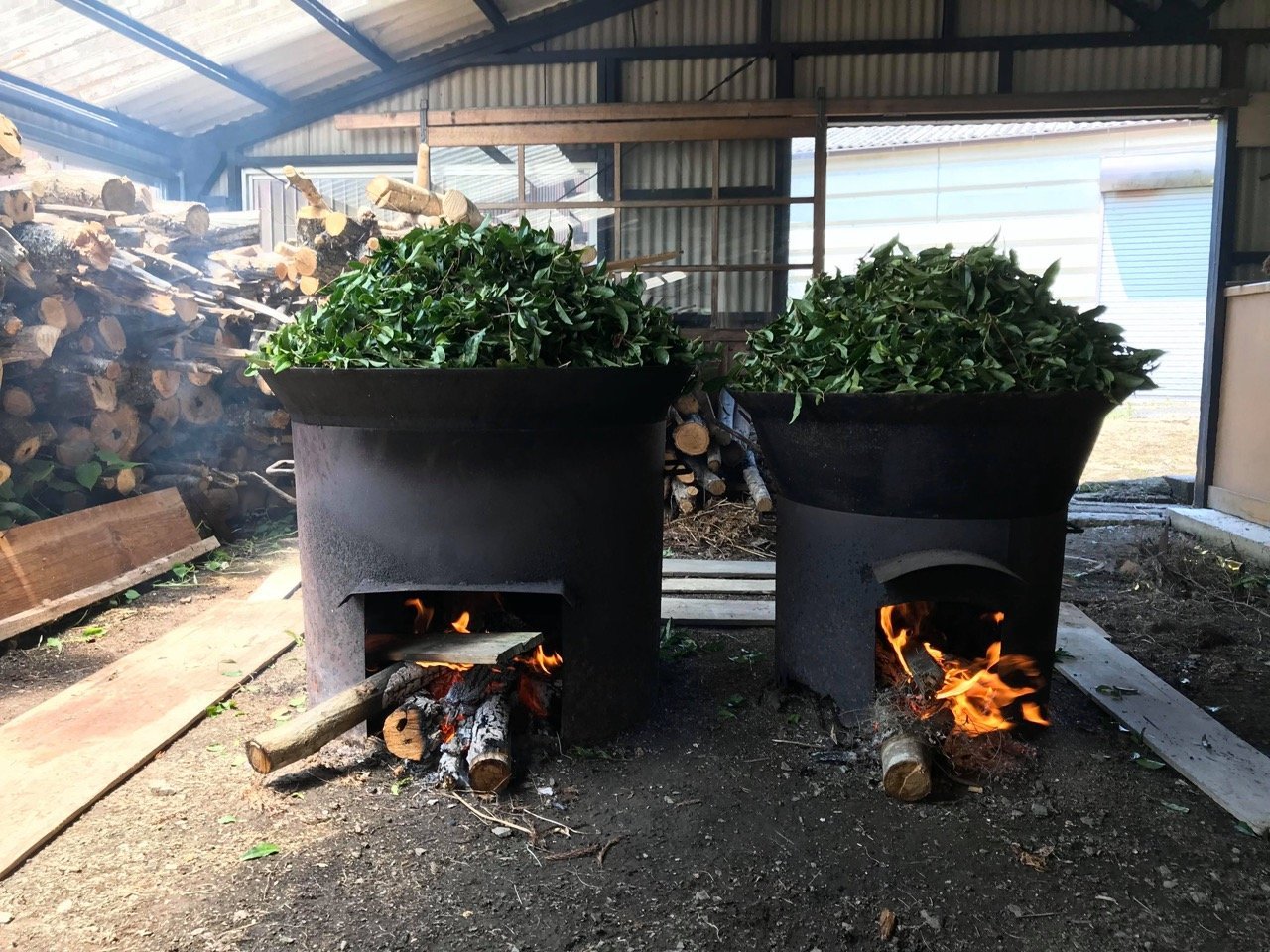
Dark tea is the tea of the old trade routes. Compressed into bricks, it travelled for weeks by caravan along the Tea Horse Road 茶马古道 , from Sichuan and Yunnan up onto the plateau, where it was traded for horses and brewed strong with yak butter and salt. The Sichuan version, known as Tibetan tea or border tea, is made from more mature leaves, fermented, and pressed. Its making in Ya’an is recognised as national intangible cultural heritage in China.
Cloudline follows those same Tibetan-tea techniques, the ones common among Sichuan’s tea masters, but with leaves grown on the plateau itself. Want to know more about how fermentation shapes dark tea? Read What Is Dark Tea? .
A closer look
Big leaves. Open the brick and you’ll see larger, more mature leaves, just as you’d expect from dark tea.
Hand-shaped bricks. Each brick is about 500 g, and the shapes vary. Our 100 g option is broken off a brick for you; the larger sizes are whole bricks.
Easy to break. Use a tea knife or pick to lift layers from the edge, rather than snapping chunks from the middle. Leaves stay whole and brew more evenly.
How we brew it
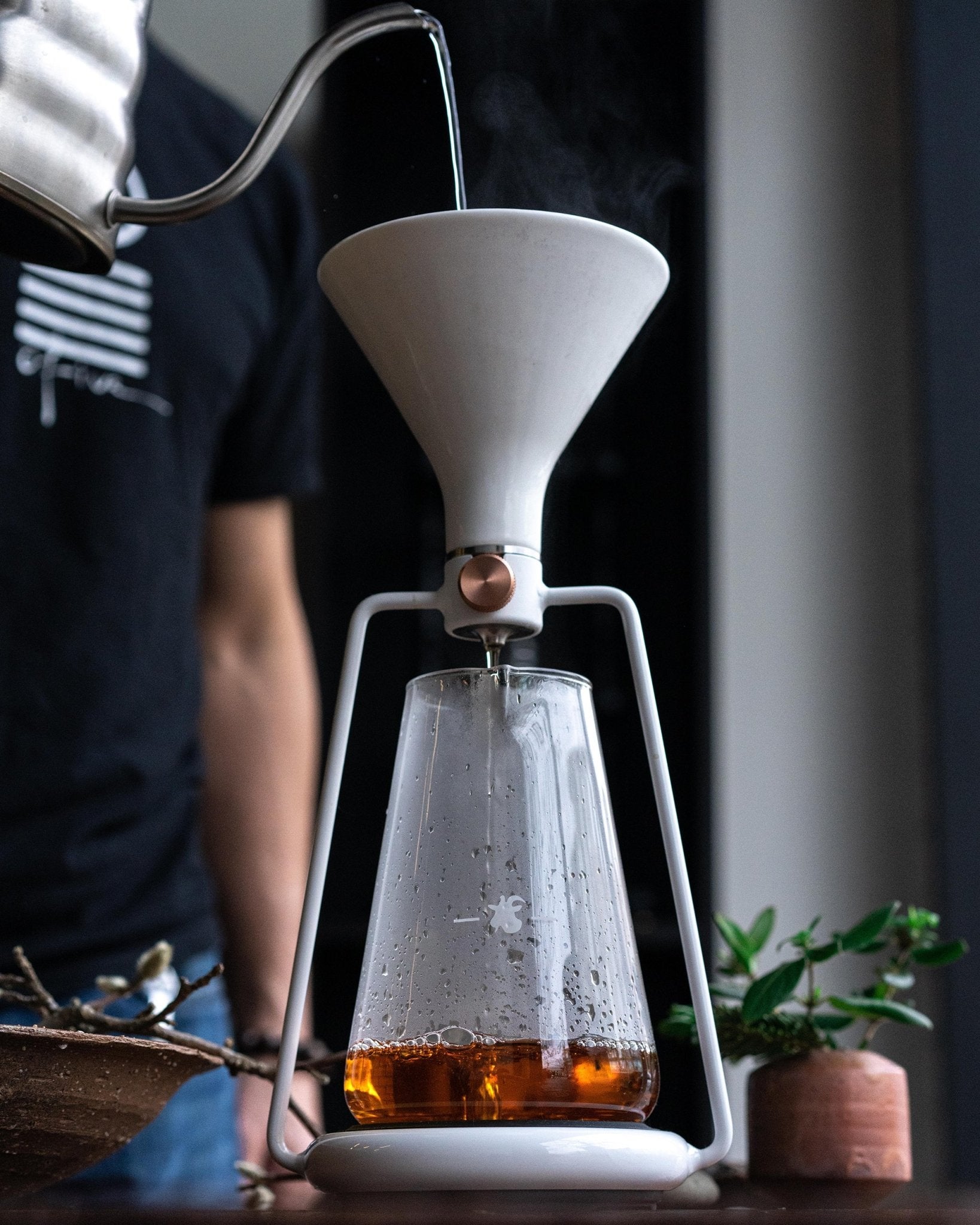
Gong fu
5–6 g per 100 ml
Water just off the boil
Rinse once
10–20 s steeps, longer as you go; good for many rounds
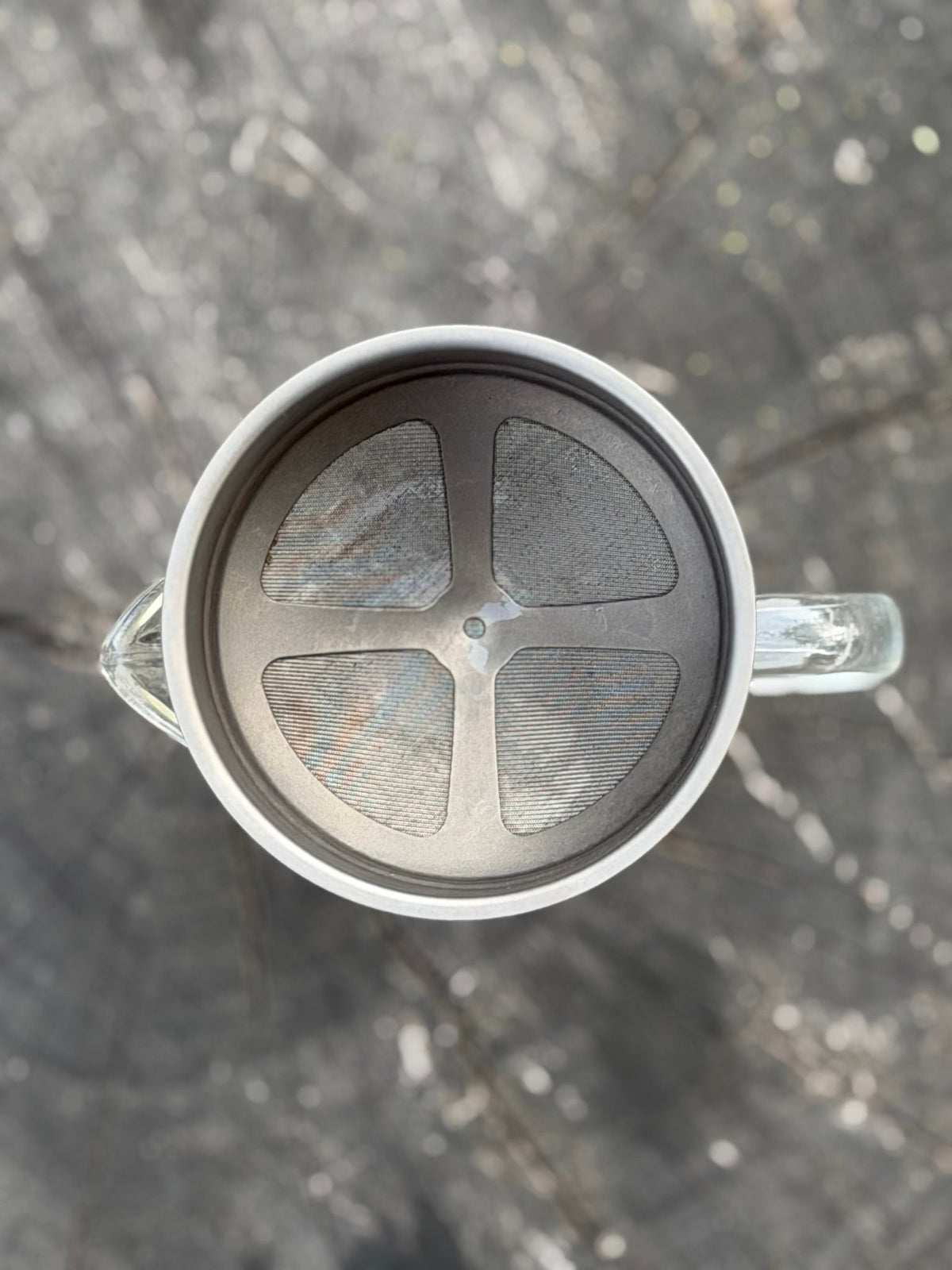
Mug or teapot
3–4 g per 250 ml
Water just off the boil
3–5 minutes, then re-steep
Simmered
5 g per 500 ml
Simmer gently for 5–10 minutes
Strain; the traditional base for butter tea
Tip: dark tea is very forgiving. If a cup comes out strong, it tends to get thicker and earthier rather than harsh. Once the leaves seem spent, simmering them in a small pot pulls out a last, sweet, woodsy round.
Storing it. Keep your brick in a paper bag or a breathable box, away from light and strong smells. Dark tea likes a little air, unlike green tea, so there’s no need for an airtight tin.