Handleless Teapots 手抓壶 — Dragon Kiln Collection
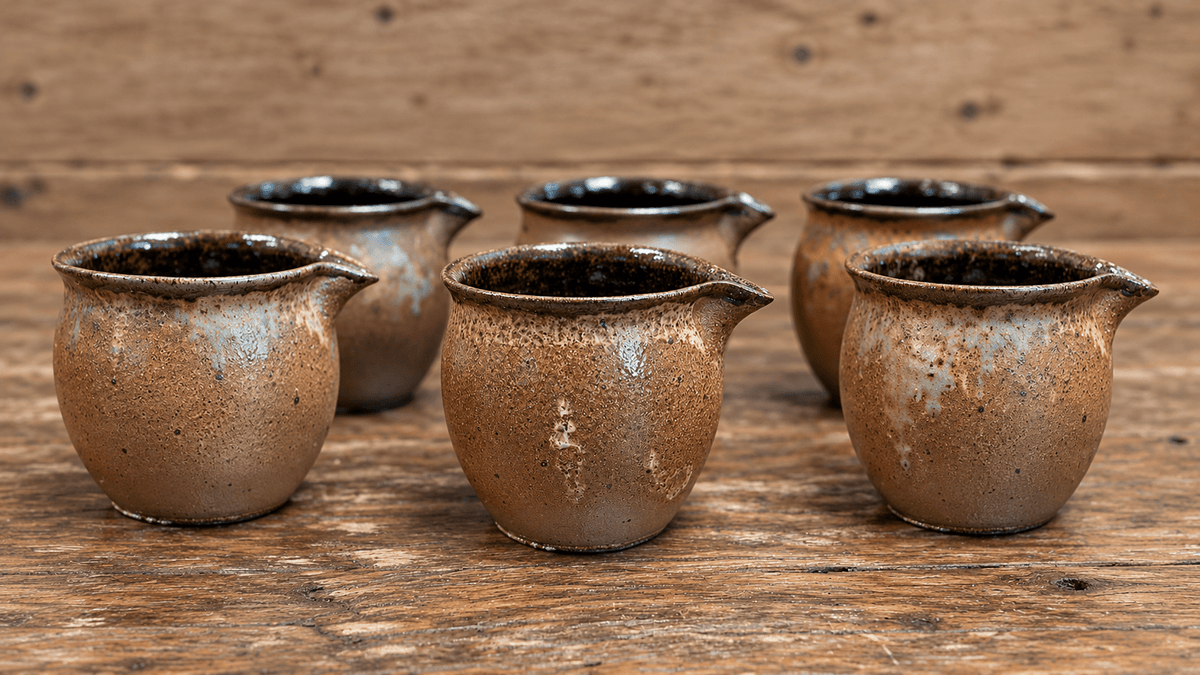
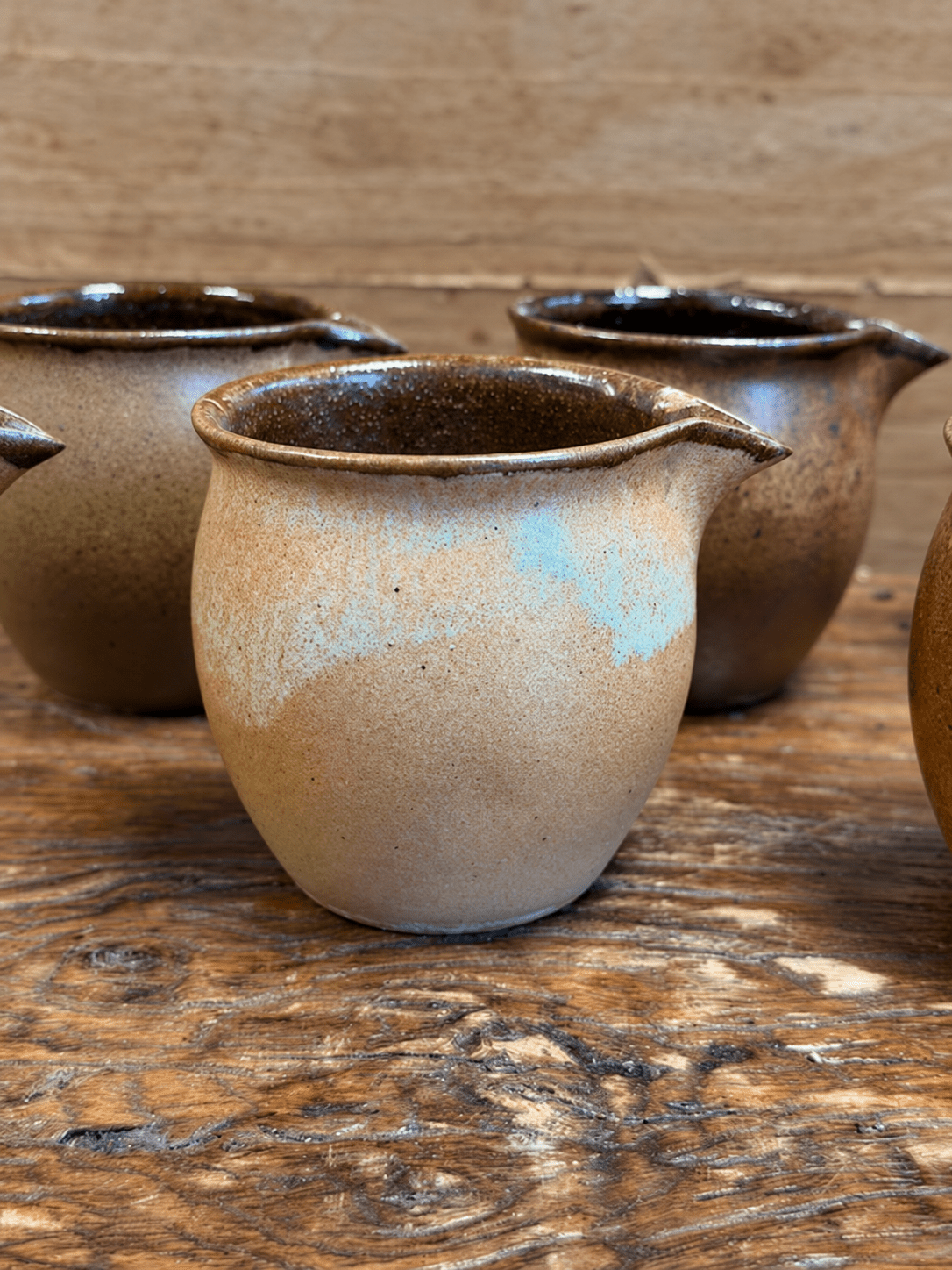
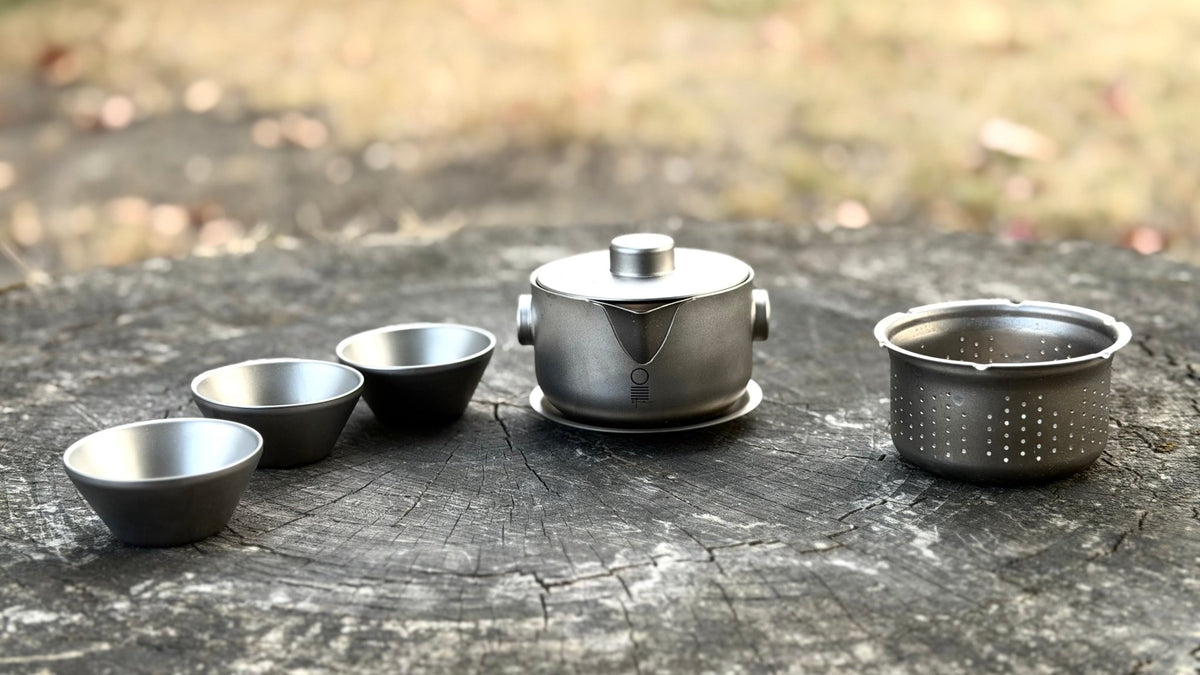
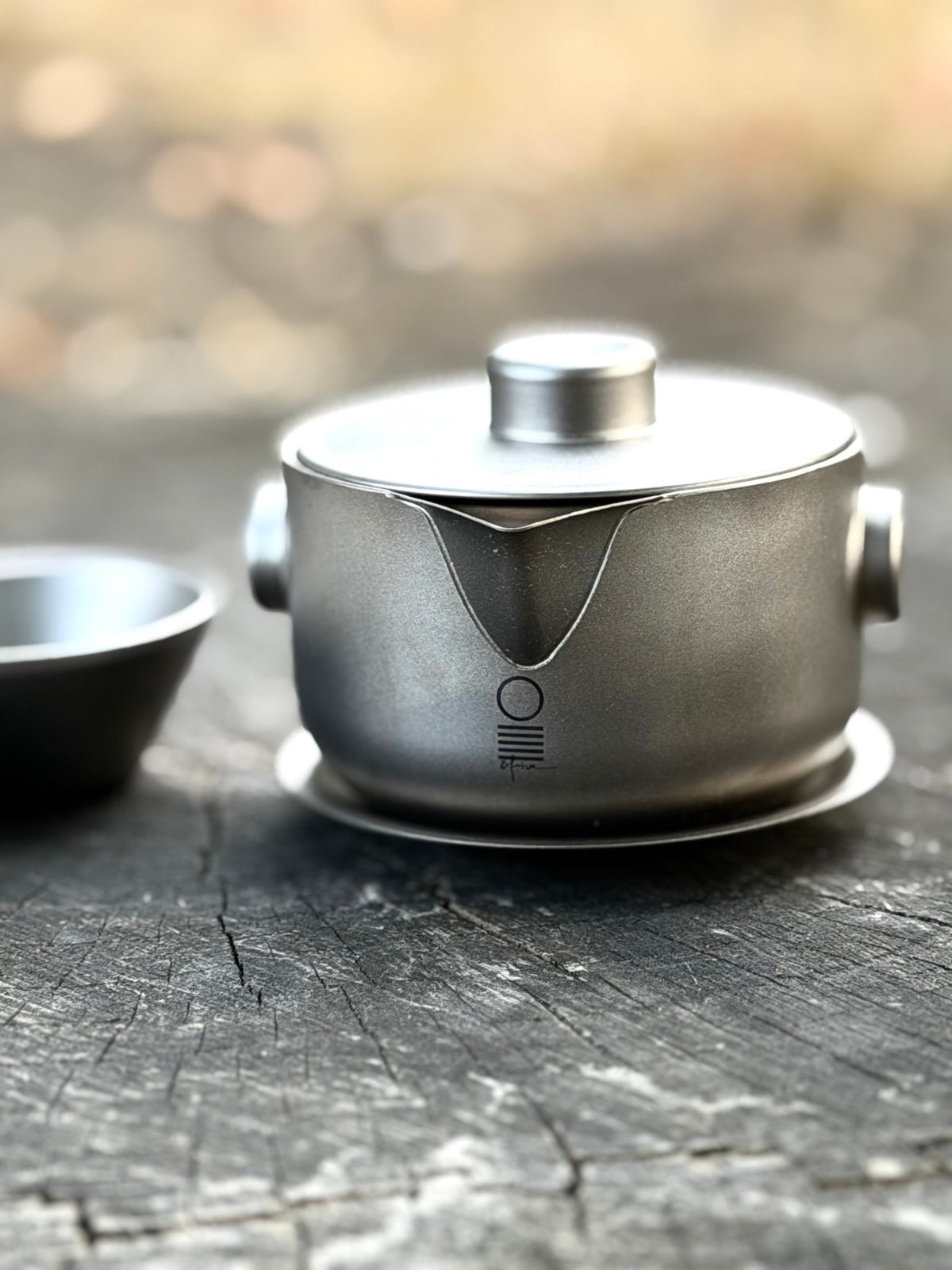
Small enough for a quiet tea session, each of these Yixing teapots has its own landscape of colour and texture. Their rounded bodies, fitted lids and open pouring lips bring together the bowl-like simplicity of a gaiwan and the directed pour of a teapot.
We acquired this collection from our old friend Zhang Tao, who personally purchased the pieces in Yixing and brought them to Canada in 2014. Their exact production dates are unknown. We believe they were most likely made in the late 1990s or early 2000s, although this remains an estimate.
Every piece is individual, with variations in colour, surface, proportions and capacity.
Capacity: approximately 100 mL; individual pieces may be slightly smaller or larger.
A teapot held at the rim
In contemporary Chinese tea terminology, this handleless form is commonly called 手抓壶 (shǒu zhuā hú). Instead of lifting a separate handle, the brewer holds the vessel near its upper rim and steadies the lid while pouring through the short lip. It occupies a space between a gaiwan and a conventional teapot. Read more about the form in Chinese.
Related handleless vessels appear in Japanese tea culture as 宝瓶 (hōhin), associated especially with small infusions of fine green tea. This is a useful comparison for understanding the form, rather than a confirmed origin story for this collection. More about hōhin.
What to brew
At roughly 100 mL, these pots suit a personal tea session or a few small tasting cups, with fresh infusions prepared as you go.
We suggest starting with whole-leaf green teas brewed below boiling. Their gentler brewing temperatures also make a handleless vessel more comfortable to use. Lightly oxidized oolongs are another option, with enough room left for the leaves to open.
For finely broken teas, use a separate strainer if needed. Pour each infusion out fully, and adjust the leaf quantity and brewing time to your tea.
Brewing tip: keep the water below the rim, steady the lid and check the grip carefully before lifting. A handleless pot can still become hot.
The story of the dragon kiln
In Dingshu Town (丁蜀镇), Yixing, the Qianshu Ancient Dragon Kiln (前墅古龙窑) stretches 43.4 metres along a hillside. Established during the Ming dynasty, it preserves a firing tradition that helped shape the region’s ceramic culture.
Its long chamber has openings along both sides for feeding fuel. The kiln’s history embraces everyday pottery—basins, jars and pots—as well as the wider story of Yixing ceramics. It received national cultural-heritage protection in 2006, and the ceramic association describes it as 活着的文物, a “living cultural relic.” Explore Qianshu Dragon Kiln.
Our collection came to us with a dragon-kiln provenance. We preserve that account alongside what remains unknown: the individual makers, exact production dates and firing records. Each piece offers its own expression of the ceramic tradition in which it was acquired.