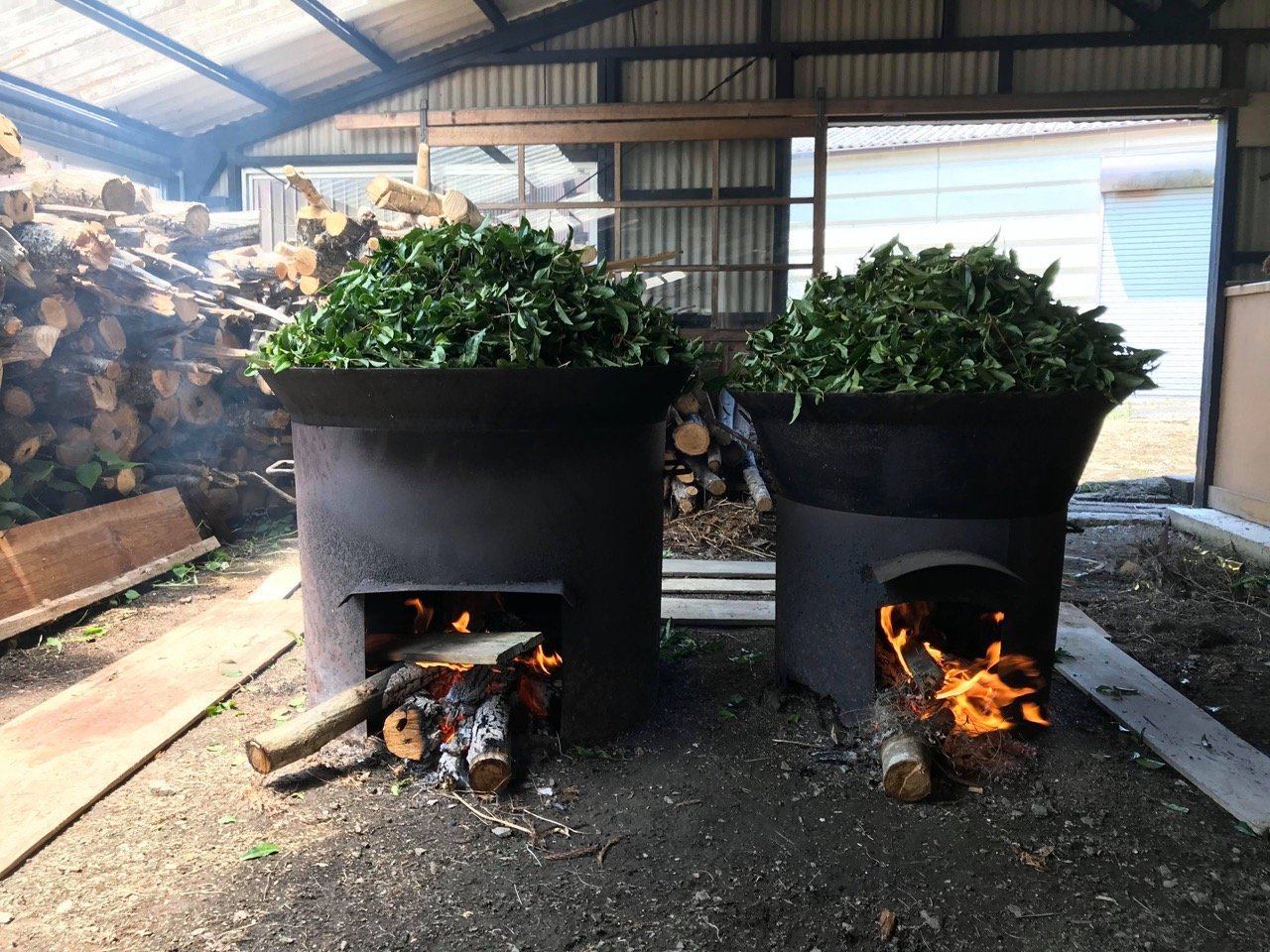
https://cdn.shopify.com/videos/c/o/v/3fd64b6efa414238ad377eac4d4692f8.movThe Qianshu Ancient Dragon Kiln (前墅古龙窑) is located in Dingshu Town (丁蜀镇) , Yixing, Jiangsu Province — the heart of China’s famous purple-clay (紫砂) pottery region. Built along a hillside, it is a classic “dragon kiln” (龙窑), measuring roughly 43–45 meters in length and rising gradually upslope like a coiled dragon. Its long, arched tunnel is constructed from refractory brick and stone, with a series of side fireholes that allow wood-firing to drive temperatures above 1,000 °C. The kiln’s design takes advantage of the natural draft created by the incline, letting flames climb organically from the lower firebox to the upper chamber.
Historically, the kiln dates back to the Ming Dynasty (明代) and is the only surviving and still-operational traditional dragon kiln in Yixing , a region once full of such structures. Over centuries it fired everyday stoneware and later became central to the development of Yixing’s renowned zisha pottery culture. Today, the Qianshu kiln is a nationally protected cultural site, fired only a few times per year, and remains a rare living example of China’s ancient ceramic-firing technology and artisanal heritage.
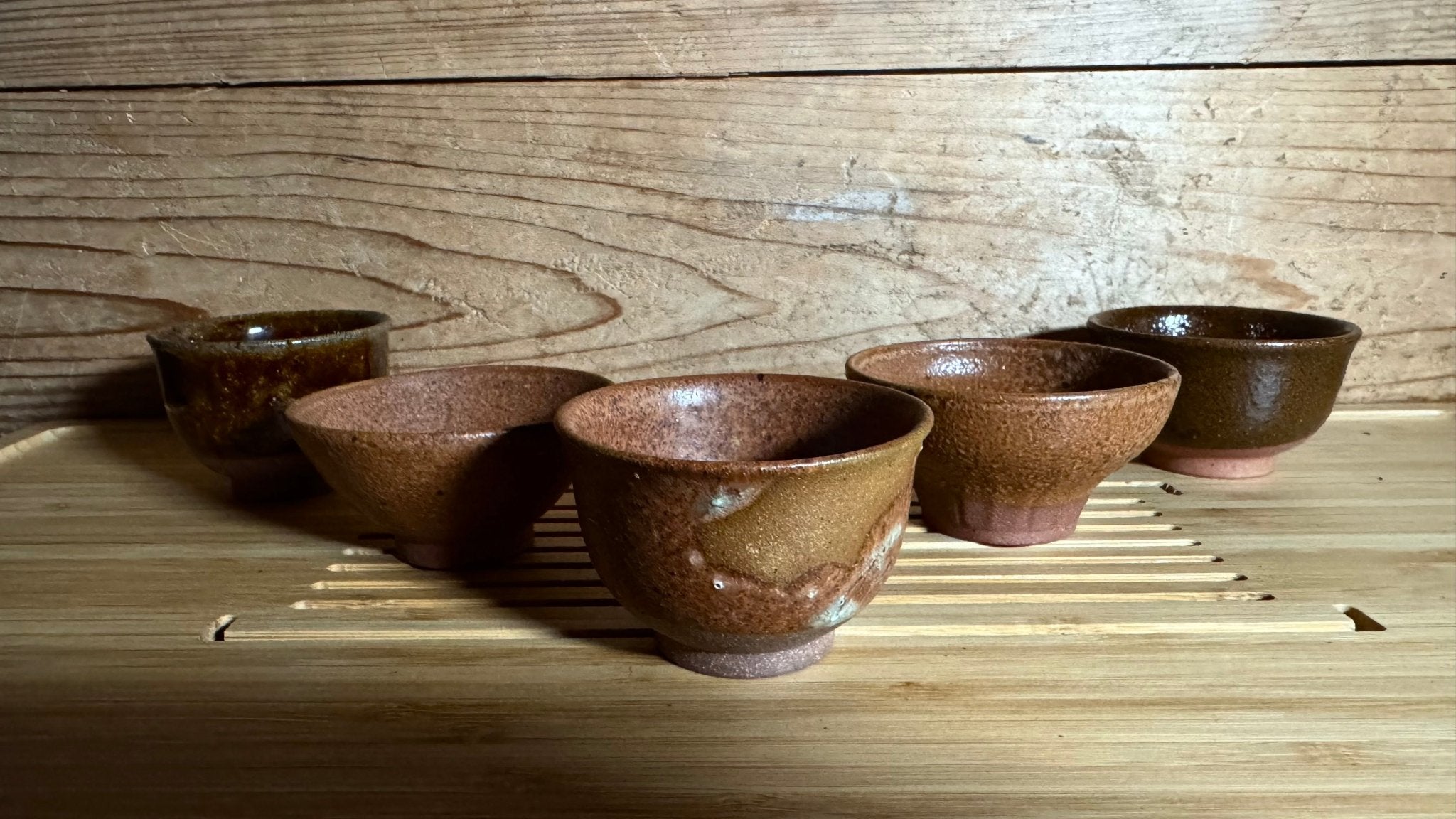
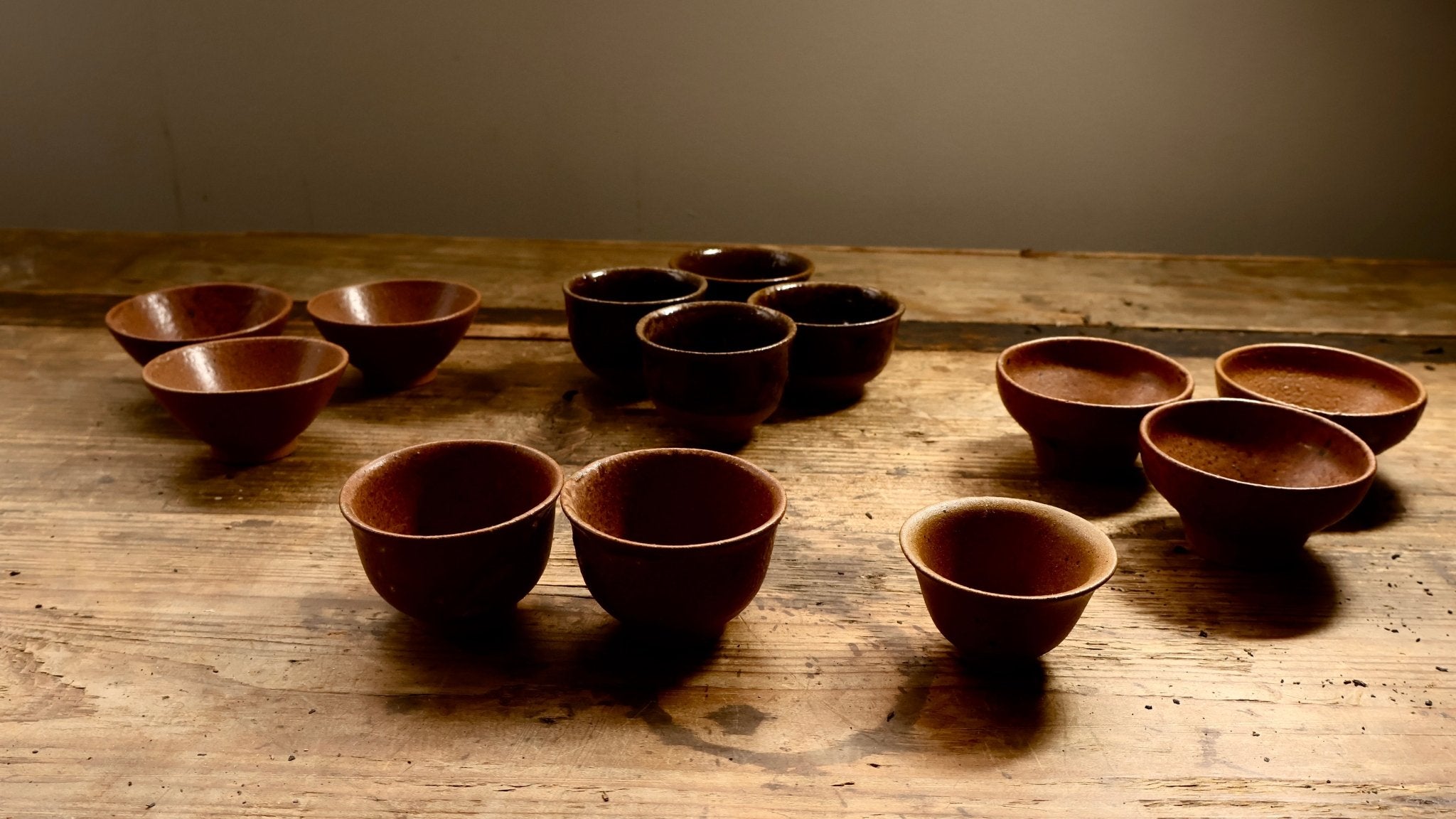
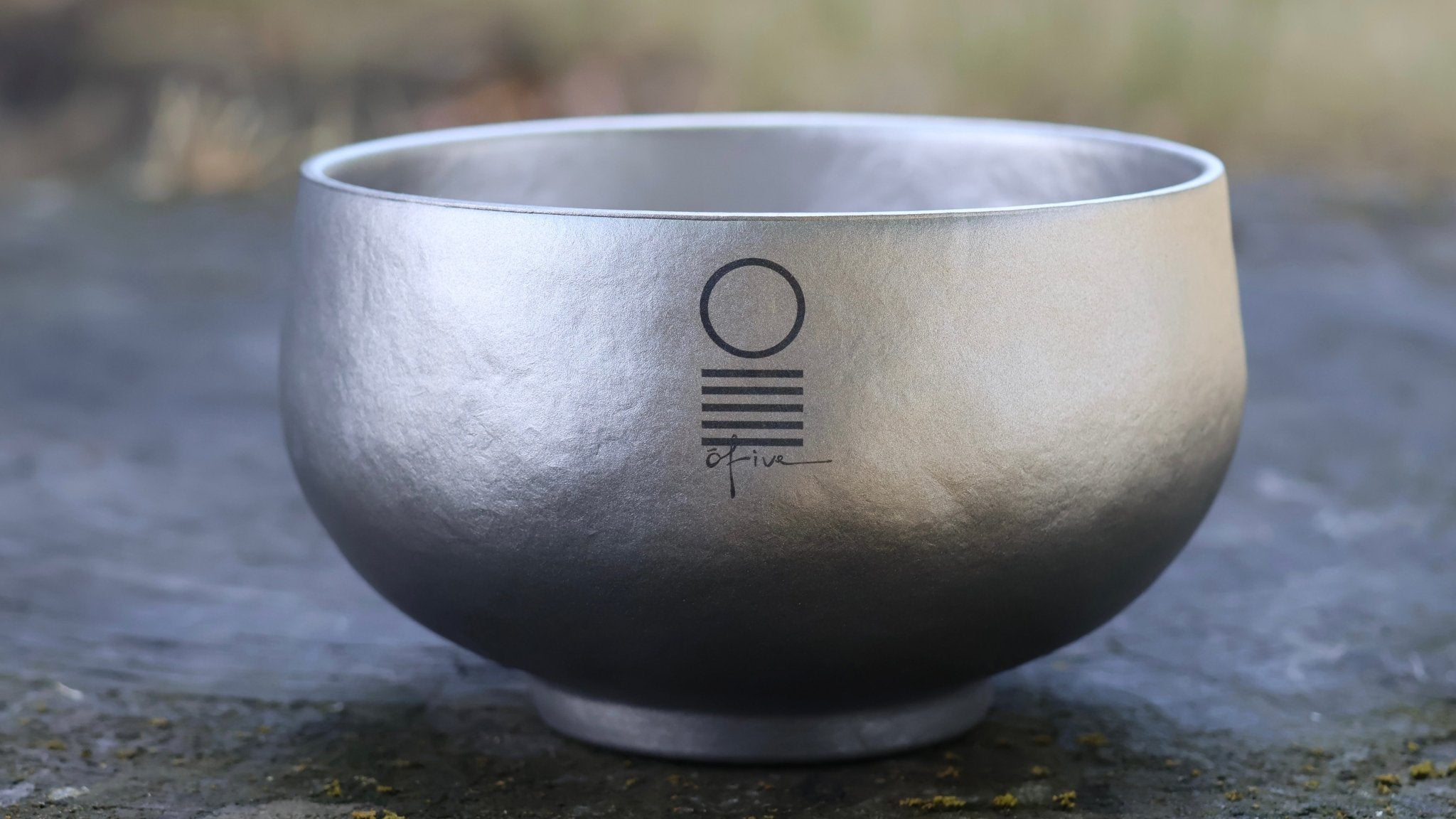
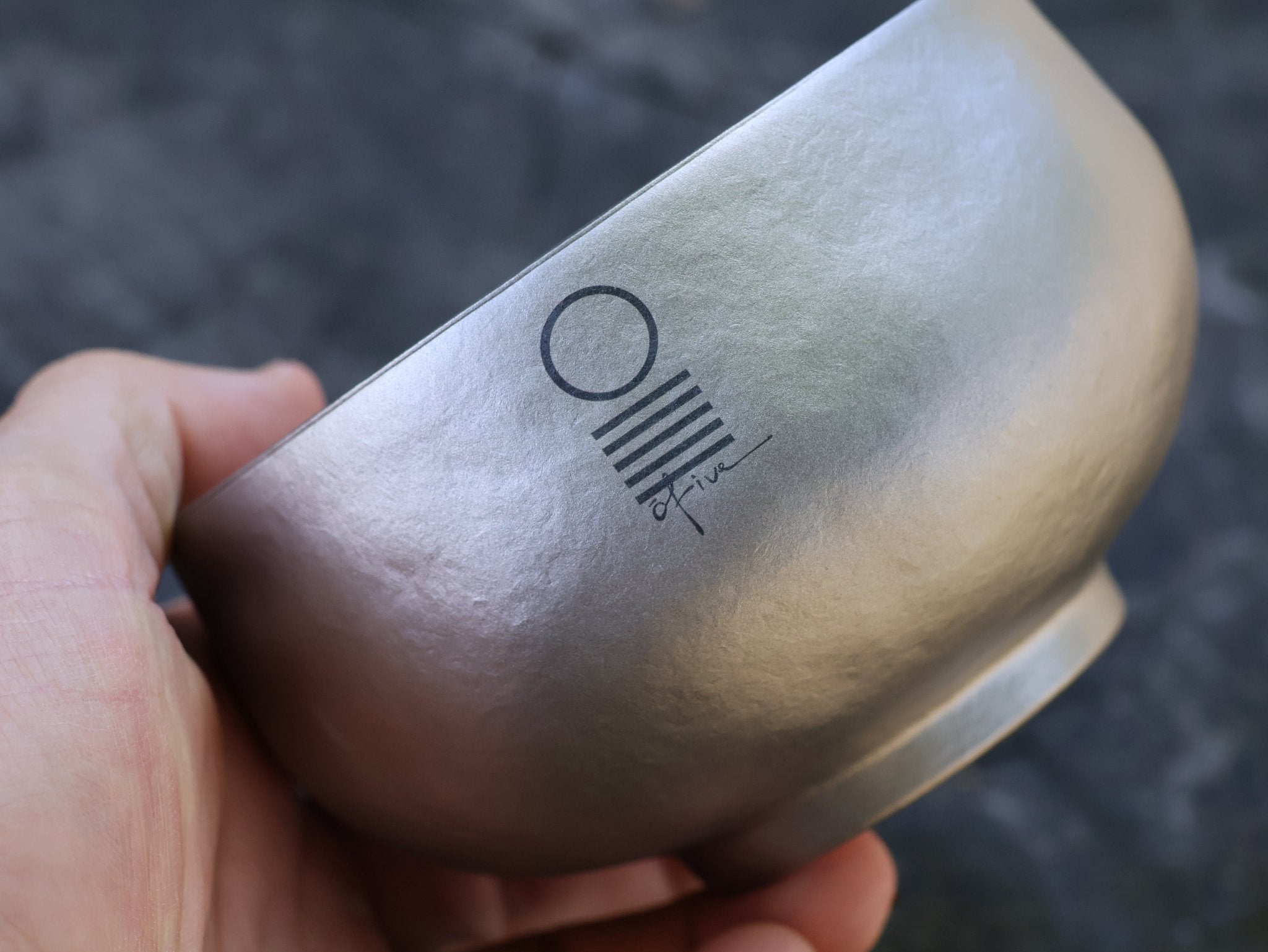
Every cup is unique. The piece you receive will be similar (but not identical) to the one in the picture.
Your browser does not support the video tag.
Dragon kilns (龙窑 - lóng yáo ) are among China’s oldest ceramic technologies, with roots stretching back more than two millennia to the Shang and Zhou eras, and reaching their peak influence during the Song, Ming, and Qing dynasties. Built along natural hillsides, these kilns rise like a dragon climbing a mountain, using slope and airflow to move heat upward. Some stretch more than 80 meters, divided into chambers that allow potters to fire large quantities at high temperatures using wood as the primary fuel. Because temperature, flame, and ash move unevenly through such long kilns, no two firings are ever the same. The natural ash glazes, flame traces, and mineral deposits that result are not flaws—rather, they are signatures of the process, giving each piece a character that cannot be industrially reproduced.



![O5 | TITANIUM GAIWAN [160ml] - O5 RARE TEA BAR](http://www.o5tea.com/cdn/shop/files/o5-titanium-gaiwan-160ml-7683949.jpg?v=1783556531&width=2048)
![O5 | TITANIUM GAIWAN [160ml] - O5 RARE TEA BAR](http://www.o5tea.com/cdn/shop/files/o5-titanium-gaiwan-160ml-448397.jpg?v=1750466831&width=2048)
![O5 |TITANIUM CUPS [180ml & 300ml] - O5 RARE TEA BAR](http://www.o5tea.com/cdn/shop/files/o5-titanium-cups-180ml-300ml-188904.jpg?v=1750466831&width=2048)
![O5 |TITANIUM CUPS [180ml & 300ml] - O-FIVE RARE TEA BAR](http://www.o5tea.com/cdn/shop/products/o5-titanium-cups-180ml-300ml-735558.jpg?v=1750451758&width=1280)
![O5 |TITANIUM CUP + INFUSER [200ml] - O5 RARE TEA BAR](http://www.o5tea.com/cdn/shop/files/o5-titanium-cup-infuser-200ml-5324885.jpg?v=1783142231&width=2048)
![O5 |TITANIUM CUP + INFUSER [200ml] - O5 RARE TEA BAR](http://www.o5tea.com/cdn/shop/files/o5-titanium-cup-infuser-200ml-4111703.jpg?v=1783142232&width=1538)
![O5 | TITANIUM KETTLE + TEA STRAINER [750ml] - O5 RARE TEA BAR](http://www.o5tea.com/cdn/shop/files/o5-titanium-kettle-tea-strainer-750ml-3635656.jpg?v=1779247987&width=2048)
![O5 | TITANIUM KETTLE + TEA STRAINER [750ml] - O5 RARE TEA BAR](http://www.o5tea.com/cdn/shop/files/o5-titanium-kettle-tea-strainer-750ml-641576.jpg?v=1750466592&width=2048)