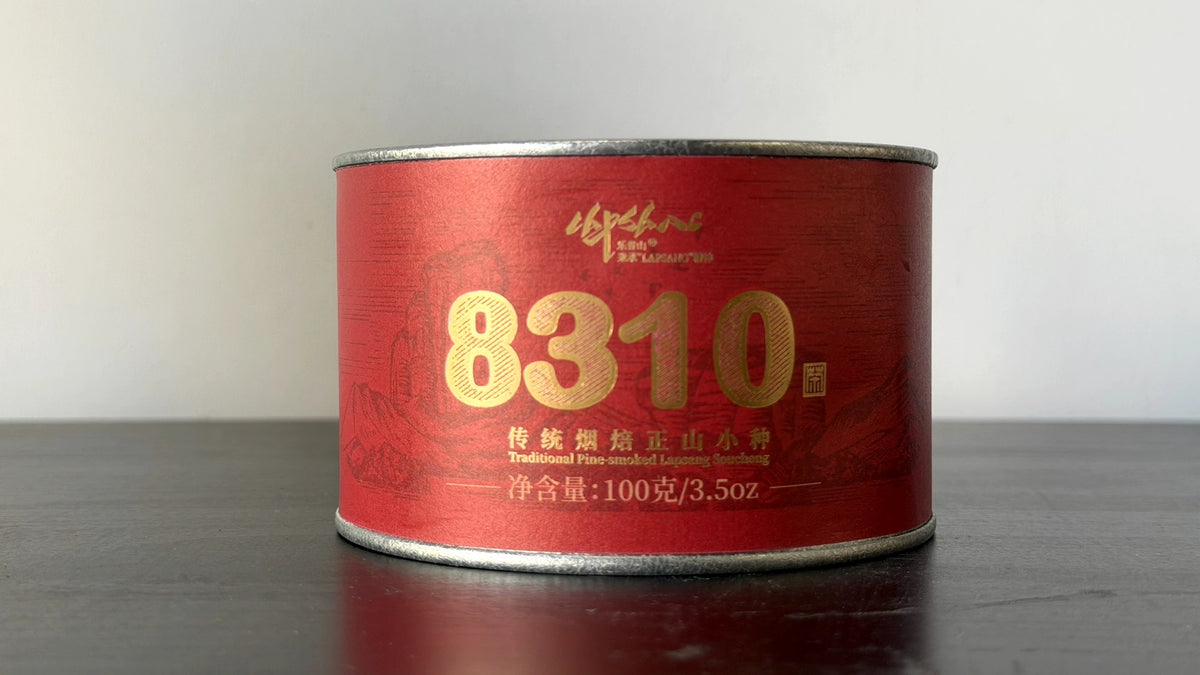
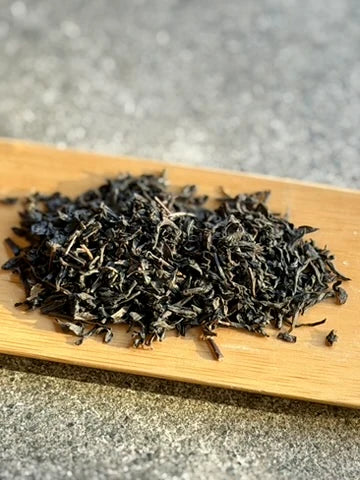
8310 | Traditional Lapsang Souchong, Export Grade 1 · 100g Tin
The world's first black tea, made the old way by the family business that still makes it at the source.
Tasting experience: pine-smoke curling over dried longan and dark honey, with a fresh, mellow finish.
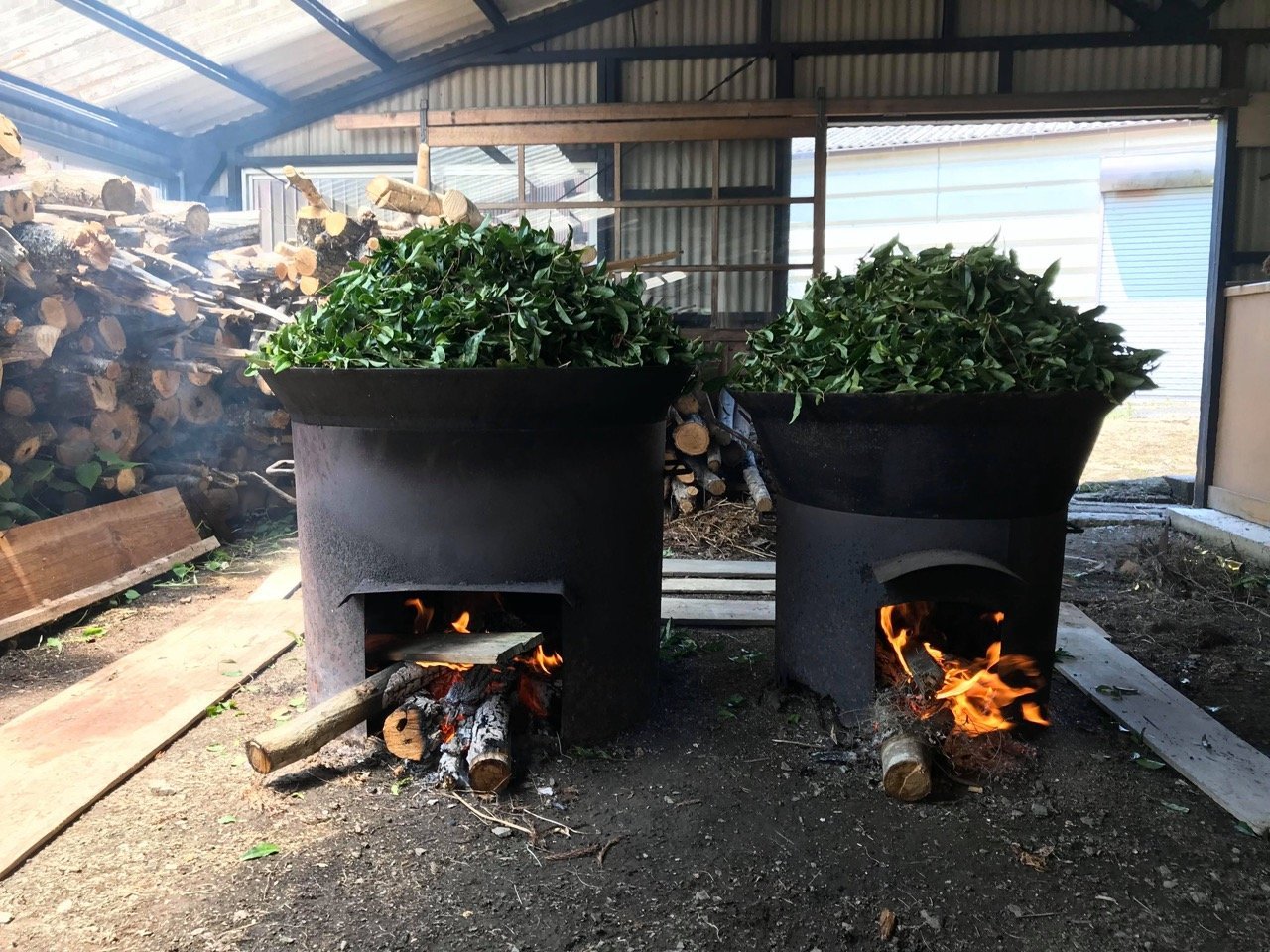
Before Darjeeling, before Assam, before English Breakfast, there was Lapsang Souchong. It was born in 1568 in Tongmuguan, a remote valley in the Wuyi Mountains. Traditionally the leaves were dried over smouldering local pine, which gave the tea its famous campfire aroma and helped it survive months at sea. By 1604 it was leaving China, and Europe never looked back.
When China's tea trade ran through state export corporations, teas travelled abroad under numbered marks rather than names. 8310 was the mark for Grade 1 Lapsang Souchong, the top export grade. (Fans of our Xiaguan 8653 already know how much history a four-digit tea code can carry.)
Zhengshantang, the house whose home is Tongmuguan itself, has recreated that historic export tea as a commemorative edition. It is made the traditional way, with the leaves smoked over local pine just like the original export tea. It is a tin of tea history, made by the people who have the strongest claim to it.
Tea Info
-
TYPE: Black Tea, traditional Lapsang Souchong (正山小种)
-
ORIGIN: Tongmuguan, Wuyi Mountain National Nature Reserve, Fujian, China
-
GPS: 27.7°N 117.7°E
-
PROCESS: withering, rolling, oxidation, pine-smoke drying
-
TASTING NOTES: Pine Smoke | Dried Longan | Dark Honey
-
PRODUCER: Zhengshantang 正山堂
Brewing Guide
-
WATER: 100ºC | 120ml
-
TEA: 4g
-
STEEP: pour off immediately for the first 3 steeps, then add 3–5" each round | 6+ steeps
-
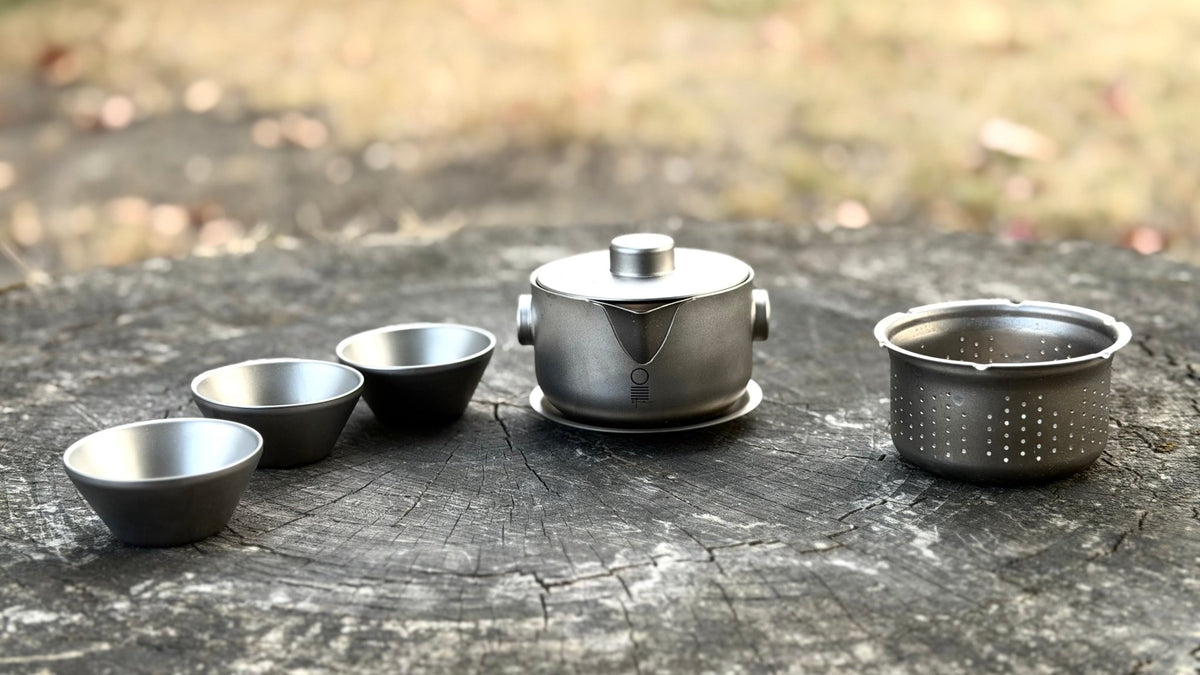
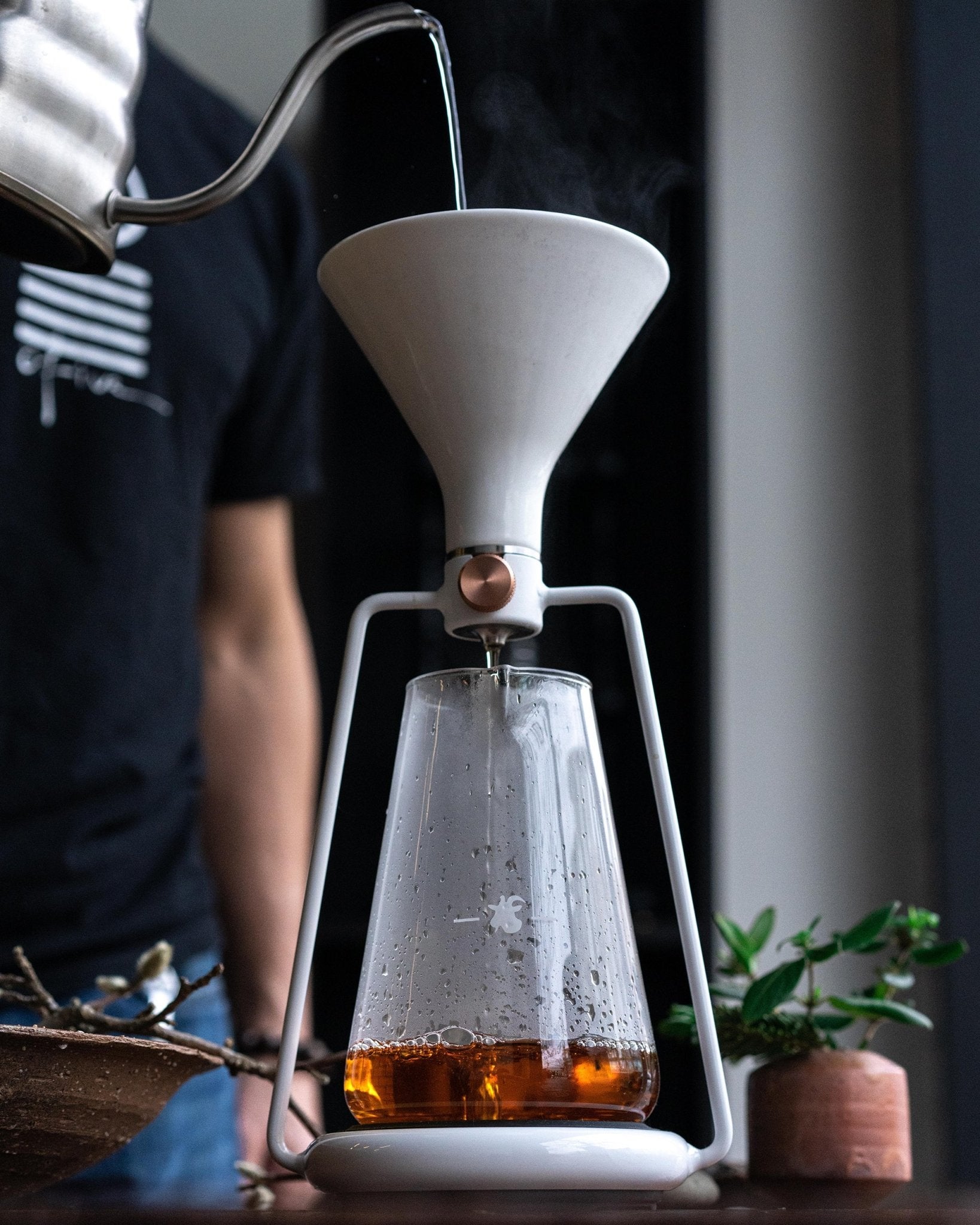
The Zhengshantang way: warm the gaiwan, add the leaves, lid on, and give it 3–4 gentle shakes to "wake" the tea. Pour in a slow circle around the edge to about 90% full.
-
Mug style: a pinch of leaves in a 300–350ml cup, boiling water, sip. Top up when a third to half the cup remains.
Fun fact: "Zhengshan" (正山) means "the true mountain." Wuyi growers have used the name for centuries to tell their original Lapsang apart from the copies made elsewhere, and Zhengshantang carries the name to this day.