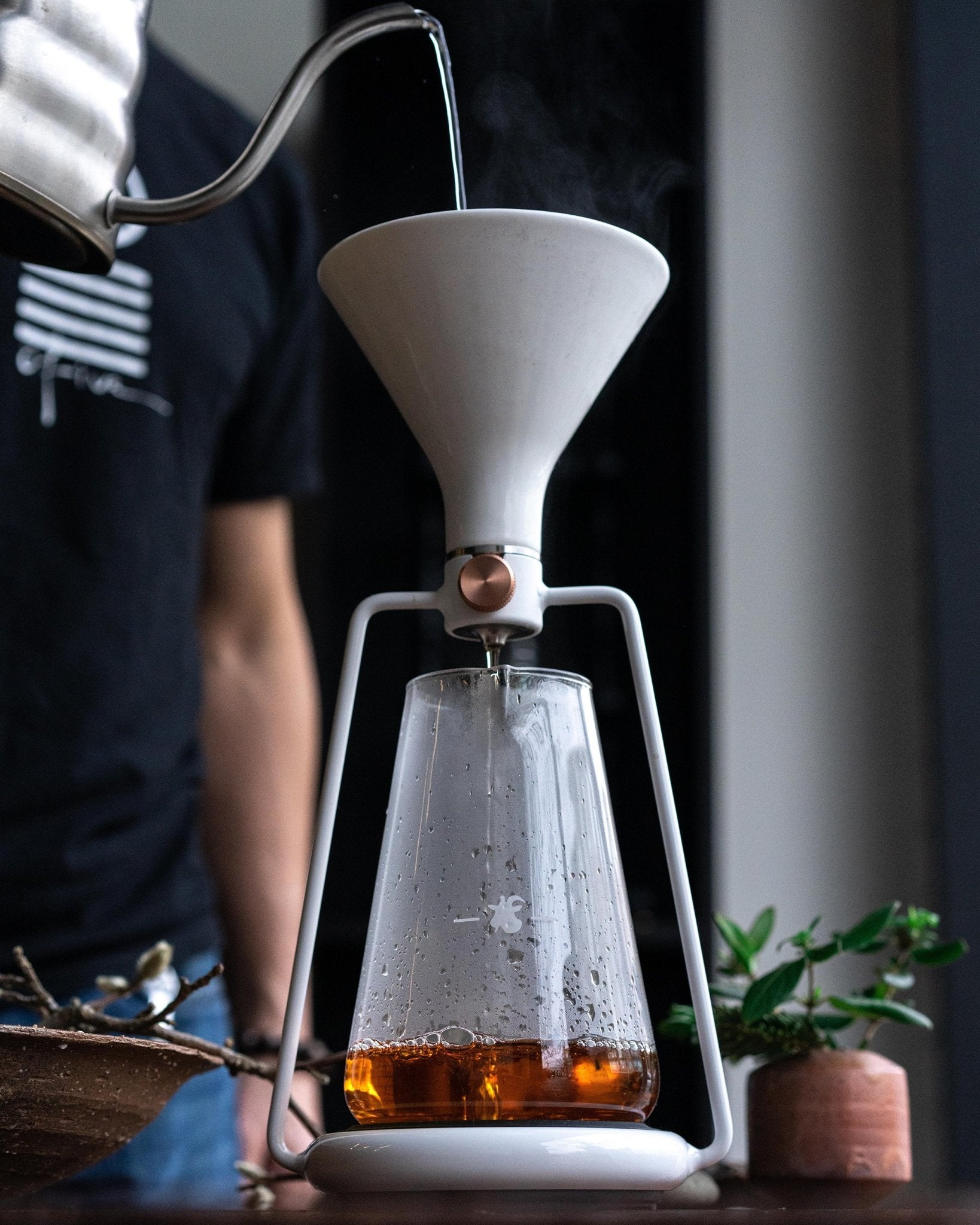
Tea Info
| TYPE |
Raw | 生 |
| ORIGIN |
Ban Komaen, Phongsaly, Laos |
| FARMED & PRESSED |
2016 |
| ARTISAN |
Zhang Yan |
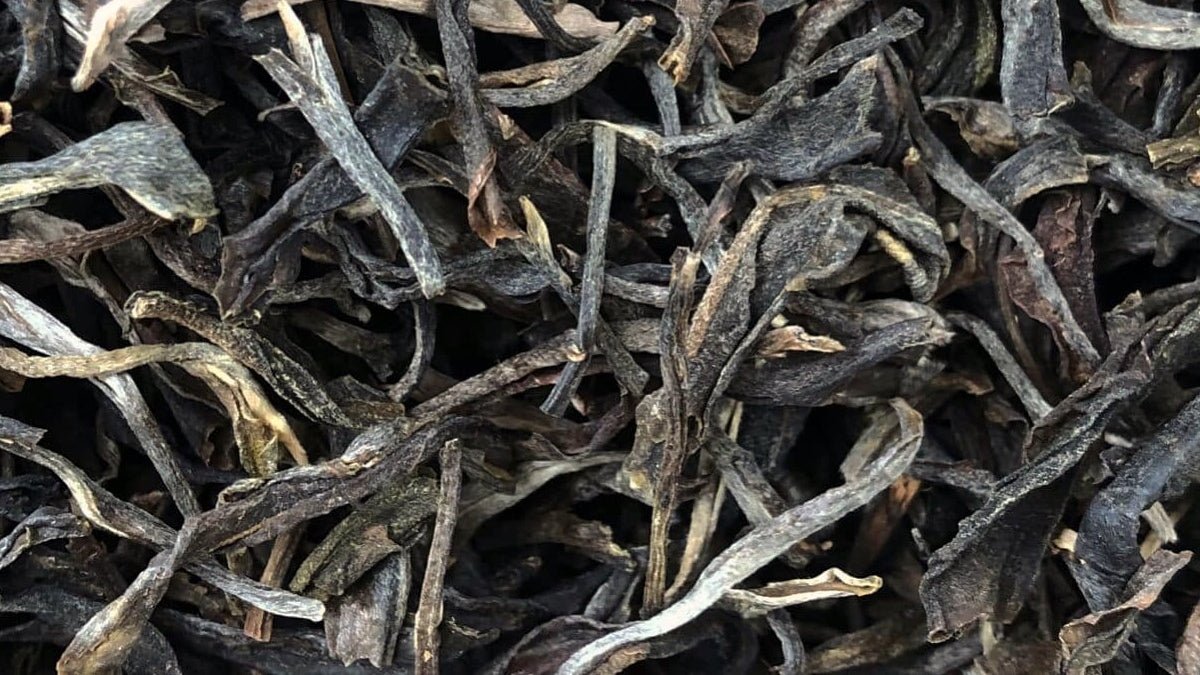
A delicious, very satisfying 'mao cha' (loose leaf tea, not pressed into cakes of bricks).
Crafted from leaves of ancient trees in Phongsaly (Laos), this tea looks like Pu Er and comes from very similar trees growing in a nearly identical ecosystem; however, it should NOT be called Pu Er, as this denomination is reserved for tea from Southern lands in China's Yunnan Province. Geographically, Phongsaly is very close to Yiwu (one of the most famous Pu Er growing mountains); however, given the poor state of roads and the closure of many border crossing in the China-Laos border to non residents, we had to drive over 24 hours to reach the beautiful tea trees in Laos.
The quality of the leaves used in this tea is outstanding; the trees grow at an altitude over 2000m in pristine forest, far away from urban centres.
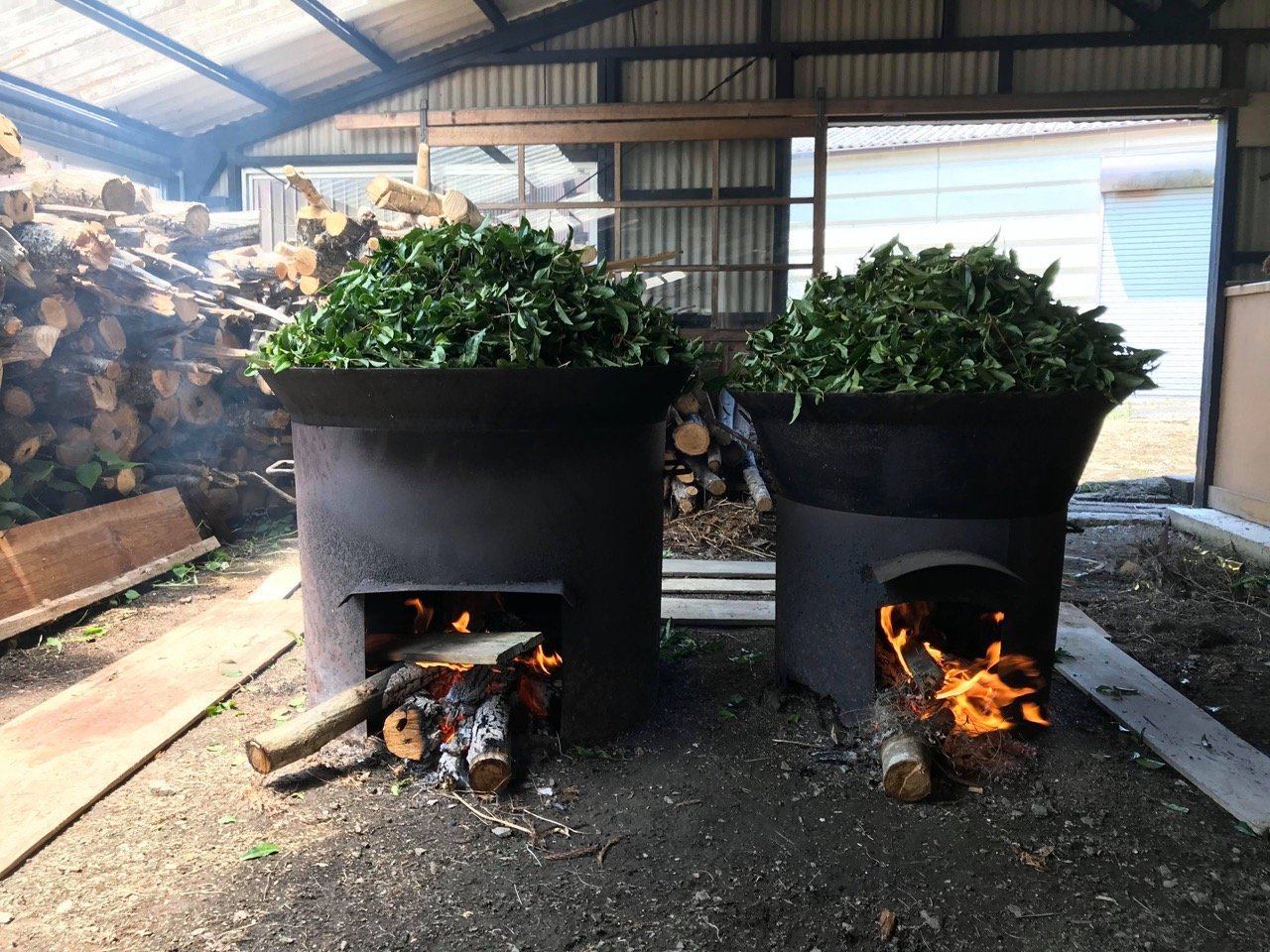
The handcrafting technique used in this tea, however, feels a bit rough compared to the finer teas of Yunnan. To be fair, international demand for tea in Laos is barely starting, and local folks often handcraft tea with 'rustic' equipment.
Snatch a bag of this tea if you're looking to explore the terroir of Phongsaly, Laos. In a humble, rustic style, it displays the complexity of spicy woods, lightly smokey florally and a rich mineral finish. It also has an insanely uplifting energy. If you're looking for a drink to power through a morning or melt your stress away...

Brewing Guide
|
PHONGSALY OLD TREE (NOT) PU ER | 2016
|
| WATER |
100º | 212º F 240ml | 8oz |
| TEA |
5 - 8g |
| STEEP STYLE |
15 seconds | multiple steeps | Gong Fu Style |
| EQUIPMENT |
Gaiwan or Yixing Teapot |
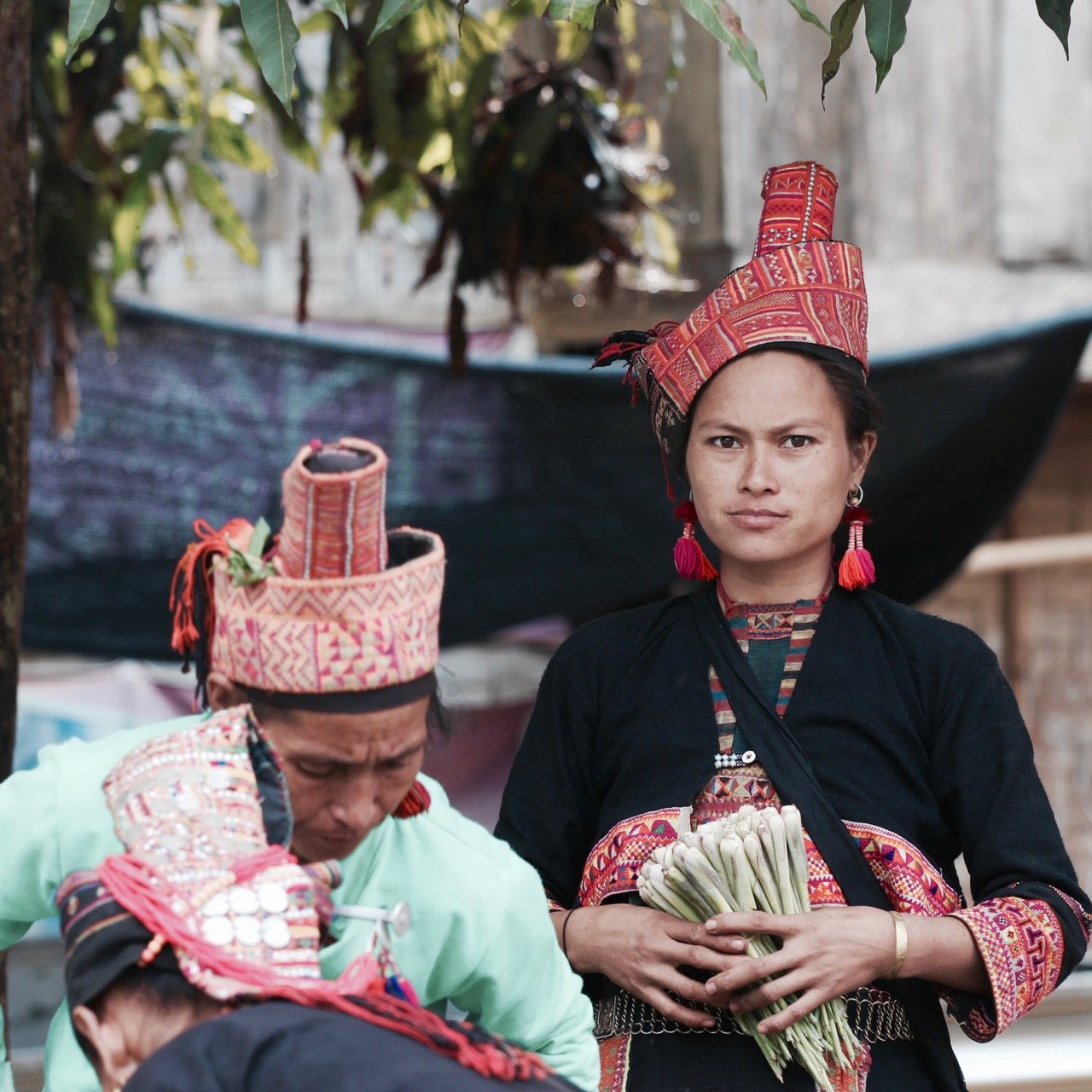
Origin


![O5 | TITANIUM GAIWAN [160ml] - O5 RARE TEA BAR](http://www.o5tea.com/cdn/shop/files/o5-titanium-gaiwan-160ml-448397.jpg?v=1750466831&width=2048)
![O5 | TITANIUM GAIWAN [160ml] - O-FIVE RARE TEA BAR](http://www.o5tea.com/cdn/shop/products/o5-titanium-gaiwan-160ml-475175.jpg?v=1750452058&width=1538)
![O5 |TITANIUM CUPS [180ml & 300ml] - O5 RARE TEA BAR](http://www.o5tea.com/cdn/shop/files/o5-titanium-cups-180ml-300ml-188904.jpg?v=1750466831&width=2048)
![O5 |TITANIUM CUPS [180ml & 300ml] - O-FIVE RARE TEA BAR](http://www.o5tea.com/cdn/shop/products/o5-titanium-cups-180ml-300ml-735558.jpg?v=1750451758&width=1280)
![O5 | TITANIUM KETTLE + TEA STRAINER [750ml] - O5 RARE TEA BAR](http://www.o5tea.com/cdn/shop/files/o5-titanium-kettle-tea-strainer-750ml-641576.jpg?v=1750466592&width=2048)
![O5 | TITANIUM KETTLE + TEA STRAINER [750ml] - O5 RARE TEA BAR](http://www.o5tea.com/cdn/shop/files/o5-titanium-kettle-tea-strainer-750ml-968512.jpg?v=1750466592&width=2048)