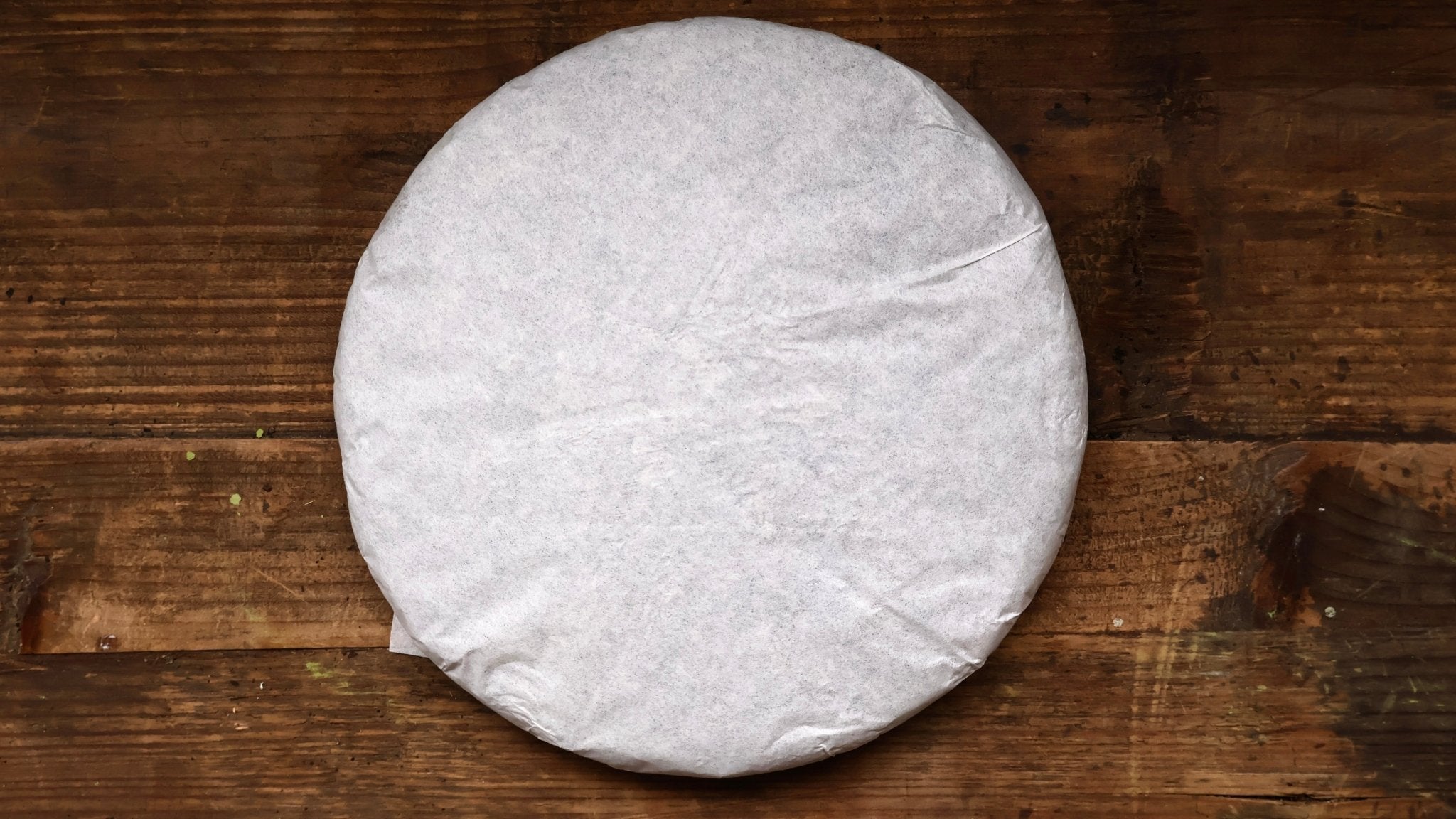
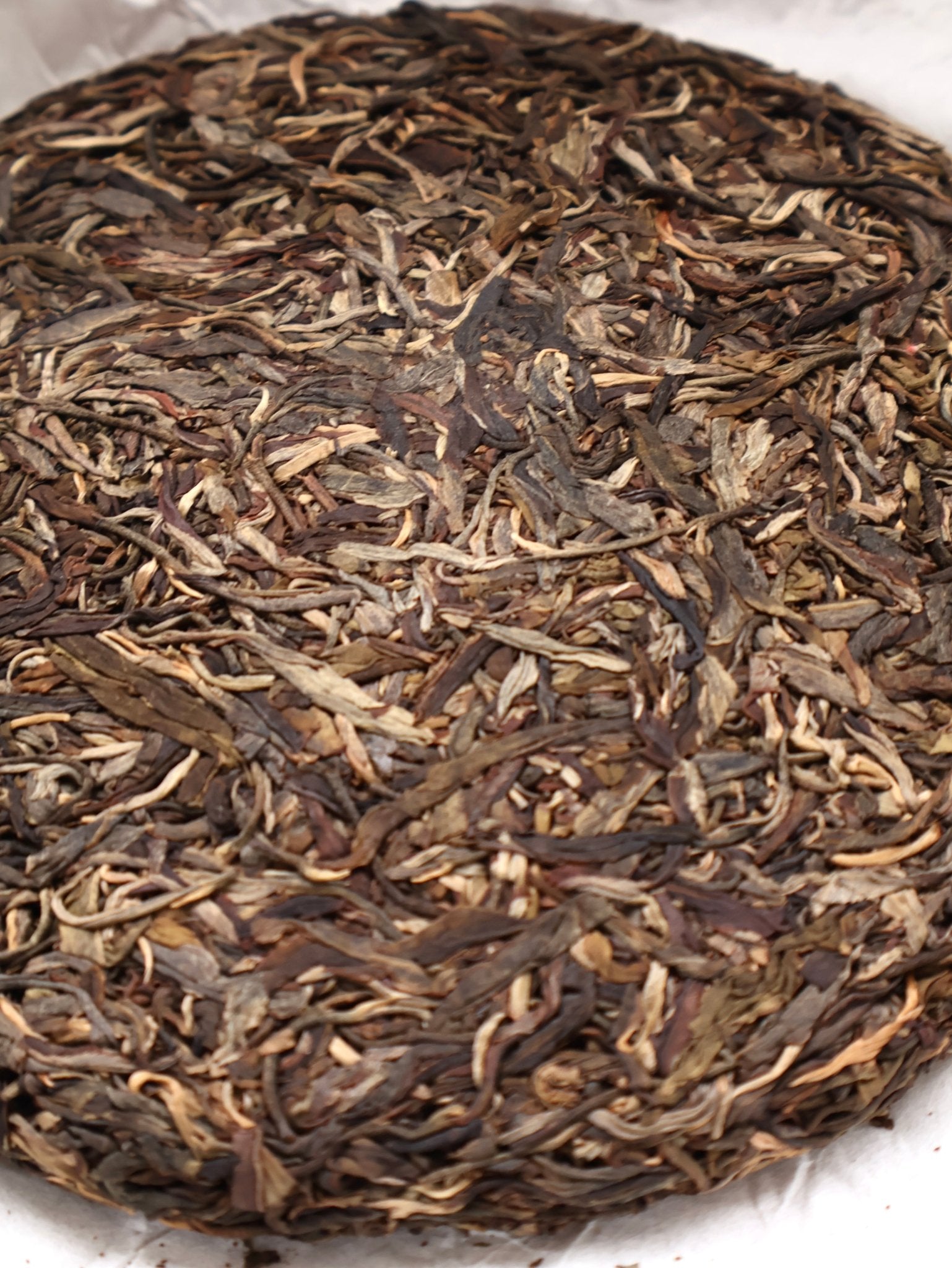
POWER AND GRACE. These ancient tree leaves have strong energy and 'gan' expected from an old tree forest; at the same time, they display and elegance and fragrant nature that is reminiscent of traditional oolong. Commissioned by our old friend Zhang Tao in 2013, stone pressed and carefully wrapped in traditional (Dai nation) handcrafted paper, these beautiful tea cakes have been aging in Vancouver since 2014. He very kindly shared a few sets of these cakes to our tea bar.
This tea is reminiscent of our bar favourite Writing of the Ancients. If you've ever wondered about the concept of 'tea drunk', please try this!
Origin: Ba Nuo Village, Mengku, Yunnan
Steward of the ancient trees: Tang Yongtao
MENGKU (勐库) - OUTSTANDING TERROIR Nestled in the subtropical mountains of Shuangjiang County (home of Lahu, Va, Bulang and Dai nations), Mengku is located at approximately 23.75° N, 99.90° E. The terrain is carved by tributaries of the Lancang River (also known as Mekong in Southeast Asia), rising toward the slopes of Da Xue Shan (Great Snow Mountain). Most of the tea forest lives between 1,150m and 2,500m above sea level. The region experiences a humid subtropical monsoon climate, with annual precipitation commonly reported between 1,700 and 1,900 millimetres, frequent cloud cover, and mild winters that permit year-round vegetative growth. The soils are primarily lateritic red and yellow loams developed from granite and purple shale parent material, well drained yet rich in weathered mineral content.
If you are a science geek, we recommend digging into this peer-reviewed article, comparing Mengku's ancient and modern tea plantations. It turns out that older gardens exhibit significantly higher soil organic matter (SOM), soil organic carbon (SOC), total nitrogen (TN), and available potassium (AK). These soils support diverse fungal and bacterial communities that enhance nutrient cycling and root uptake efficiency. The study further identified correlations between soil fertility and elevated concentrations of free amino acids, gallic acid, and catechins in fresh tea leaves, compounds central to sweetness, structure, and astringency balance in finished Pu Er. The deep humus layers characteristic of ancient groves moderate moisture retention during the dry season while permitting sufficient drainage during monsoon rains, contributing to steady physiological development rather than rapid, dilute growth.
References
Yang, Guangrong, et al. 2022. “HPLC and High-Throughput Sequencing Revealed Higher Tea-Leaves Quality, Soil Fertility and Microbial Community Diversity in Ancient Tea Plantations.” BMC Plant Biology 22: 313. BioMed Central (Springer Nature). https://doi.org/10.1186/s12870-022-03633-6
中国大百科全书 (China Encyclopedia Editorial Board). 2023. “勐库大叶种茶.” 中国大百科全书 (Encyclopedia of China Online Edition) . Beijing: Encyclopedia of China Publishing House. https://www.zgbk.com
双江拉祜佤布朗傣族自治县人民政府 (Shuangjiang Lahu, Va, Bulang and Dai Autonomous County People’s Government). Various statistical and geographic reports on regional climate, elevation, and agricultural conditions. Shuangjiang County Government Publications.
Tea teacher Zhang Tao in Mengku
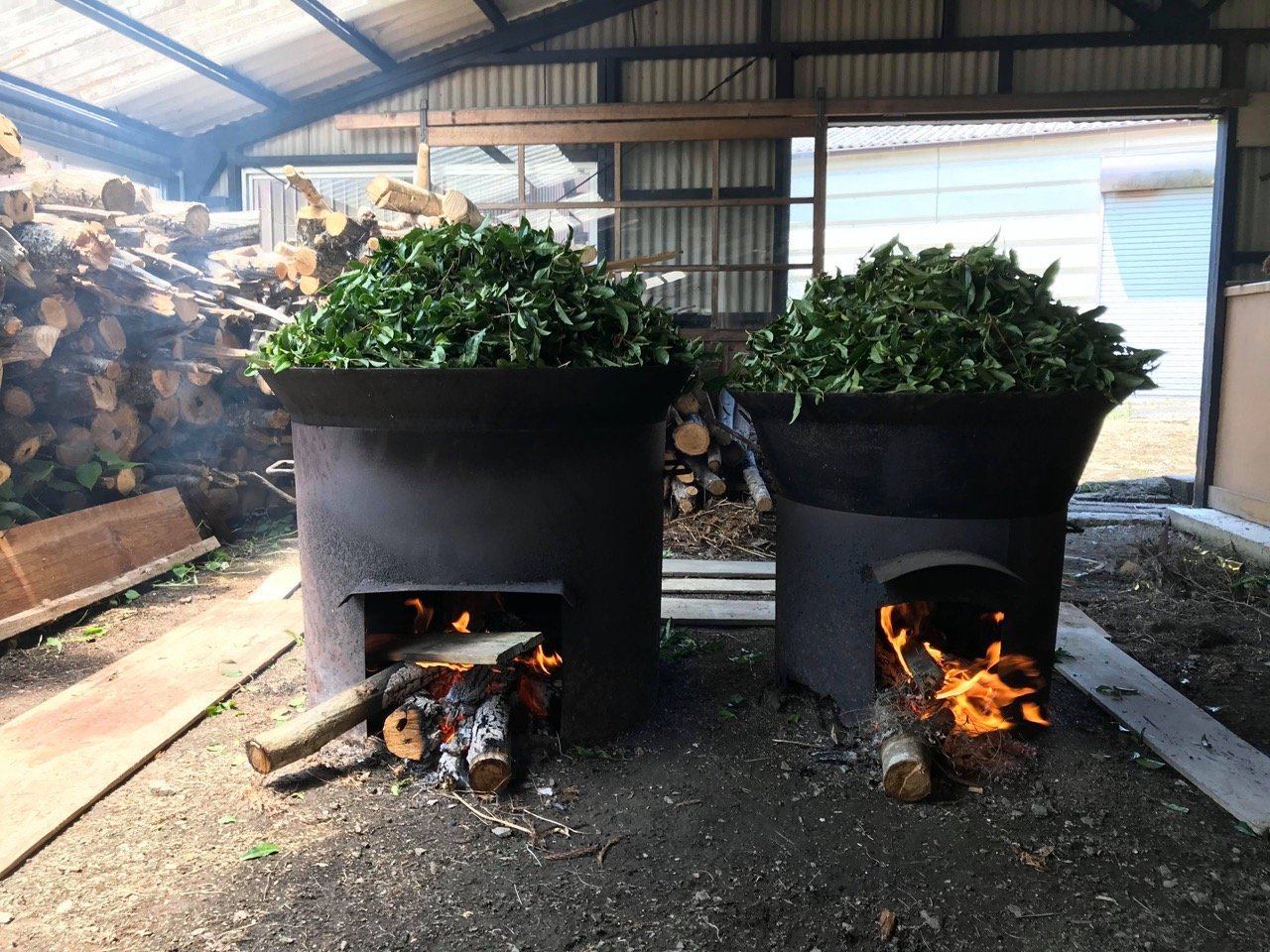
Ancient tea tree harvest in Mengku, 2013


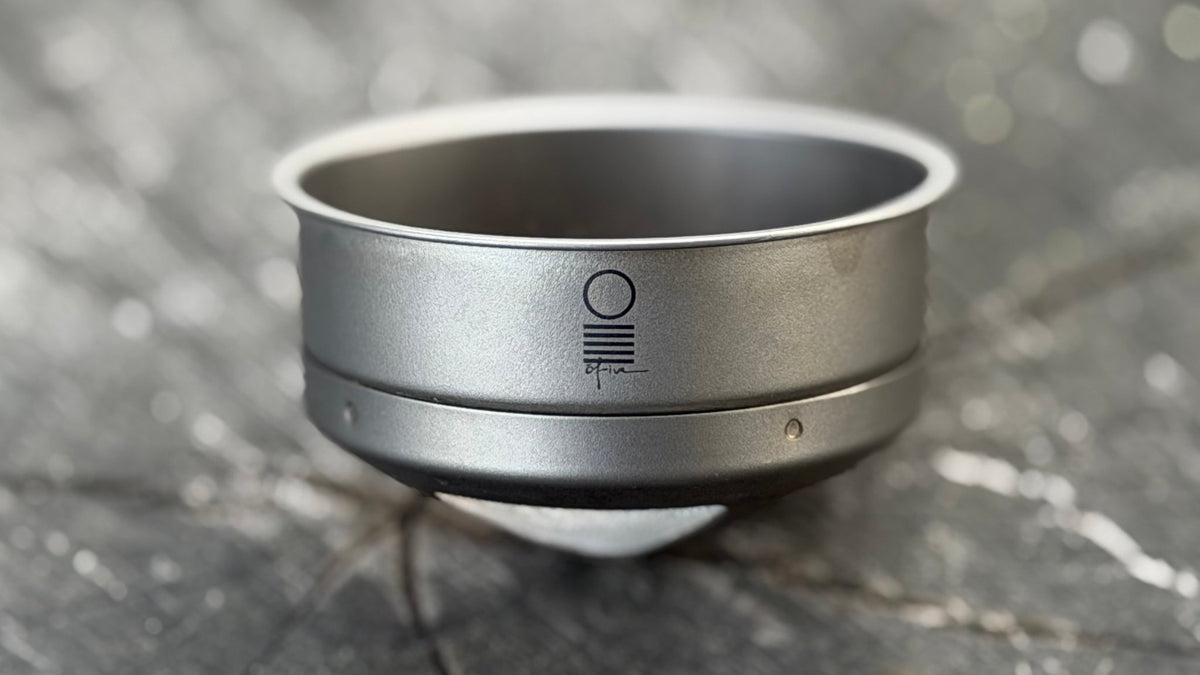
![O5 | TITANIUM GAIWAN [160ml] - O5 RARE TEA BAR](http://www.o5tea.com/cdn/shop/files/o5-titanium-gaiwan-160ml-7683949.jpg?v=1783556531&width=2048)
![O5 | TITANIUM GAIWAN [160ml] - O5 RARE TEA BAR](http://www.o5tea.com/cdn/shop/files/o5-titanium-gaiwan-160ml-448397.jpg?v=1750466831&width=2048)
![O5 |TITANIUM CUPS [180ml & 300ml] - O5 RARE TEA BAR](http://www.o5tea.com/cdn/shop/files/o5-titanium-cups-180ml-300ml-188904.jpg?v=1750466831&width=2048)
![O5 |TITANIUM CUPS [180ml & 300ml] - O-FIVE RARE TEA BAR](http://www.o5tea.com/cdn/shop/products/o5-titanium-cups-180ml-300ml-735558.jpg?v=1750451758&width=1280)
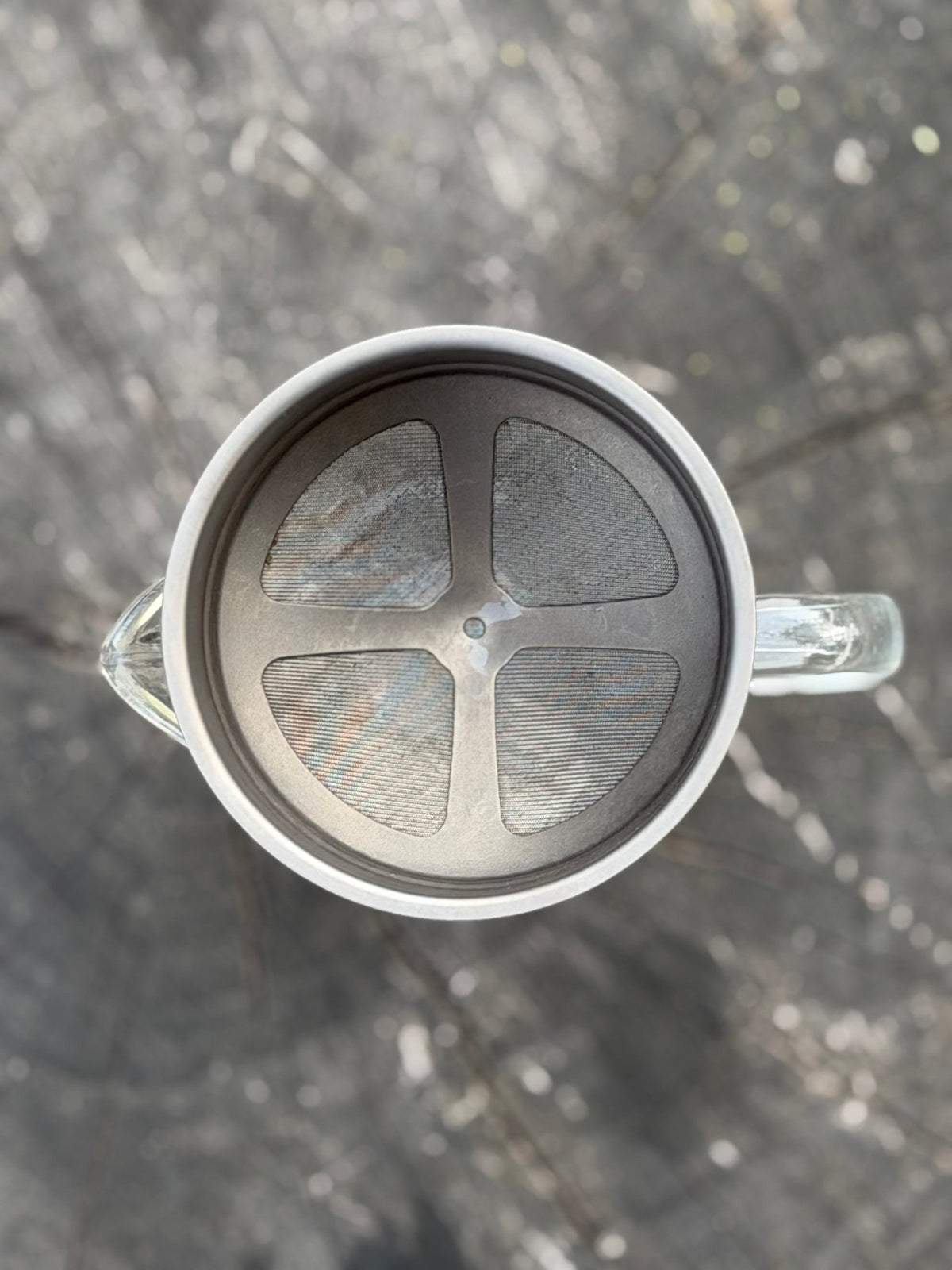
![O5 |TITANIUM CUP + INFUSER [200ml] - O5 RARE TEA BAR](http://www.o5tea.com/cdn/shop/files/o5-titanium-cup-infuser-200ml-5324885.jpg?v=1783142231&width=2048)
![O5 |TITANIUM CUP + INFUSER [200ml] - O5 RARE TEA BAR](http://www.o5tea.com/cdn/shop/files/o5-titanium-cup-infuser-200ml-4111703.jpg?v=1783142232&width=1538)
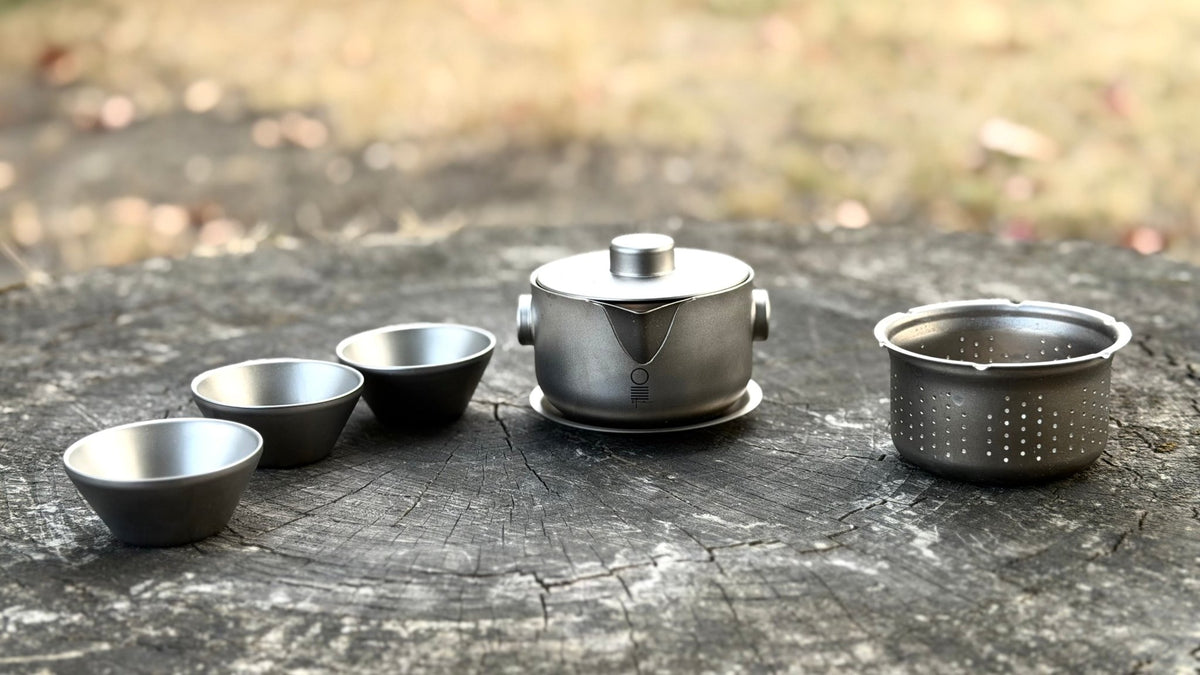
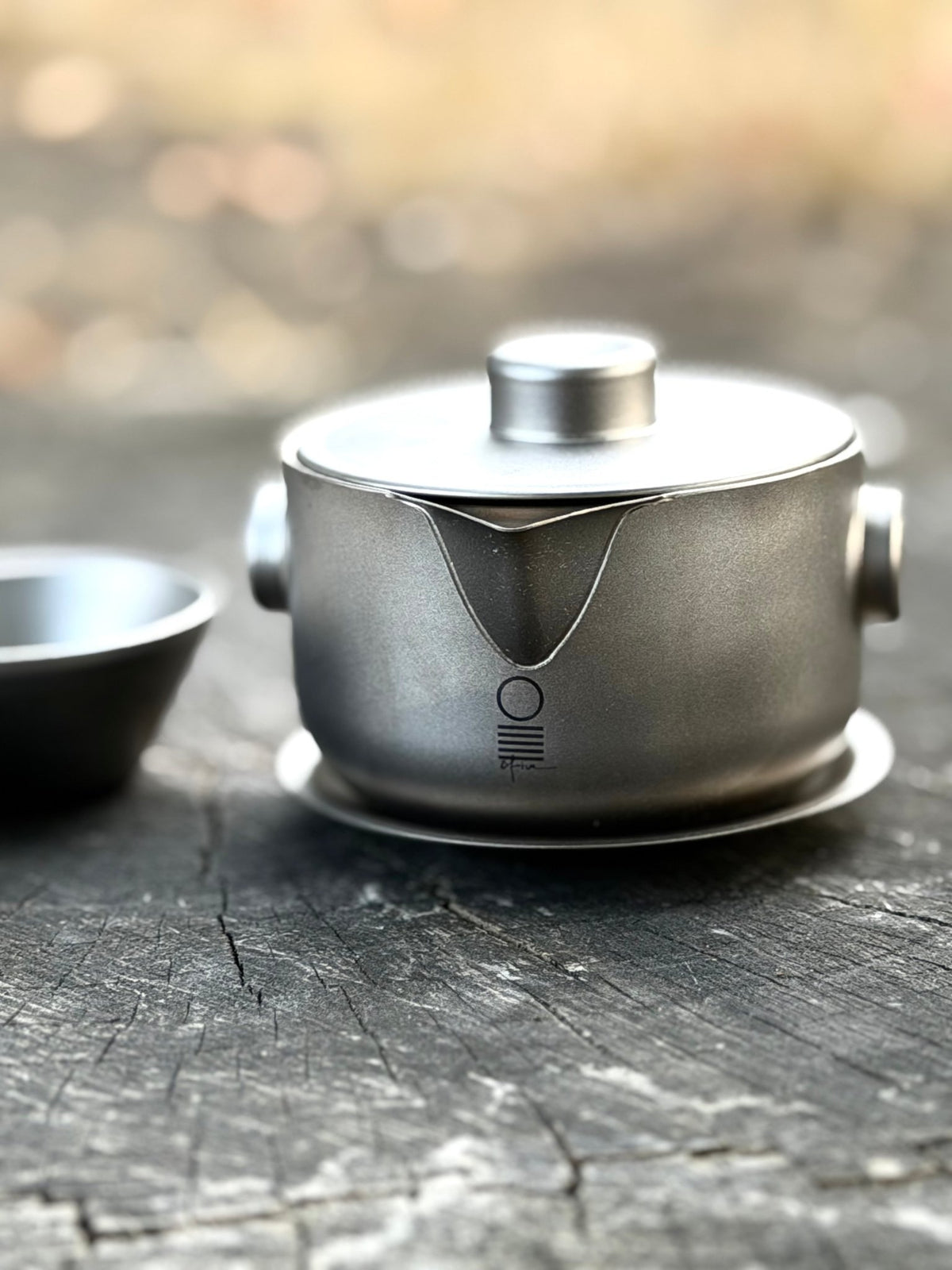
![O5 | TITANIUM KETTLE + TEA STRAINER [750ml] - O5 RARE TEA BAR](http://www.o5tea.com/cdn/shop/files/o5-titanium-kettle-tea-strainer-750ml-3635656.jpg?v=1779247987&width=2048)
![O5 | TITANIUM KETTLE + TEA STRAINER [750ml] - O5 RARE TEA BAR](http://www.o5tea.com/cdn/shop/files/o5-titanium-kettle-tea-strainer-750ml-641576.jpg?v=1750466592&width=2048)